TheraPlay4Kids Guest Speaker Series
Home Projects That Build Skills & Bring Families Closer Together
Gabriel Patel with Health Well Wise
Home Projects That Build Skills & Bring Families Closer Together
For busy parents juggling work and wellness, while also trying to include teens, younger kids, and grandparents, weekends can turn into a tug-of-war between chores and connection. When home tasks stay solitary, everyone misses out on family togetherness and the steady confidence that comes from contributing. Family-friendly home improvement reframes upkeep as interactive home projects that invite skill building for all ages, with roles that fit different bodies, attention spans, and experience levels. With the right mindset, multigenerational activities at home can become a shared ritual that strengthens the family.

Understanding Collaborative Home Projects
When a home project is truly collaborative, it becomes a shared learning experience, not just a task to finish. The aim is simple: one clear goal, roles that fit each person, and hands-on practice that lets everyone learn by doing. Over time, these shared experiences help skills stick because they are tied to real results.
This matters because practical wins build confidence and reduce the "one person carries the house" dynamic. Kids and adults both get repetition, feedback, and a sense of contribution that can grow into self-esteem and confidence in everyday life.
Think of it like cooking dinner together: one person reads the recipe, another preps, another watches the timer. The meal still gets done, but you also practice skills, communication, and patience in the process. That same structure turns a faucet or drain tune-up into safe, guided teamwork.
Try a Beginner Plumbing Fix Together: A Safe, Confidence-Building Mini Project
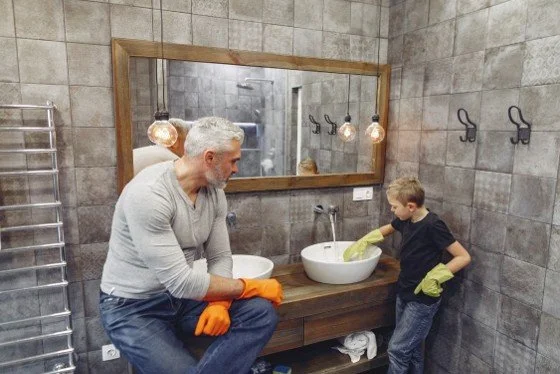
When everyone understands the “why” behind collaborative projects, it’s easier to choose a small task that feels useful, low-pressure, and genuinely shared. Simple plumbing repairs, like fixing a leaky faucet or unclogging a drain, make great hands-on mini projects because they turn everyday problems into practical learning moments. With supervision, kids can participate by observing, holding parts, or spotting what changes as you work, while older family members build confidence with basic home improvement skills. The real win is teamwork: you’re solving a real household issue together, communicating clearly, and celebrating a result you can see and hear (no more drip).
To keep the project safe and smooth, prioritize quality when you shop: using professional-grade parts and tools from a reputable plumbing supply source helps you match the right components and avoid frustrating do-overs.
Pick 6 All-Ages Projects and Match Each Person’s Strengths
Choose one project that fits your weekend and energy, then assign roles the way you did for that beginner plumbing fix: one person leads safety and steps, another handles parts/materials, and everyone gets a real job. The win isn’t perfection, it’s consistent teamwork, shared ownership, and skills that stack.
Paint a bedroom with “zones” and rotating roles: Start by clearing and taping in teams, then split the room into zones (trim, edges, rolling, cleanup) so kids and adults can trade tasks without tripping over each other. Give younger kids a “hardware helper” role, labeling outlet covers in bags and matching screws to plates, while teens cut in with a brush and adults handle ladder work. Keep a simple 20-minute work / 10-minute reset rhythm so energy stays steady and spills don’t snowball.
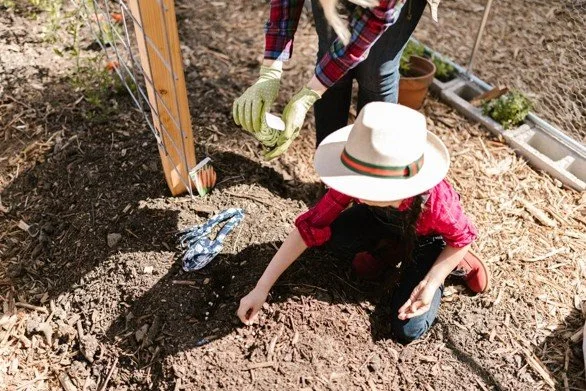
Plant flowers and shrubs using a simple layout and care plan: Walk the space together and mark planting spots with small flags or stones, then assign roles: a dig team, a plant-placement team, and a watering/mulch team. Younger kids can sort plants by label and “count holes,” while older kids measure spacing and learn why depth matters. End by creating a two-week care checklist and post it where everyone sees it; the build structure and routines approach makes follow-through more likely than relying on memory.
Construct a sandbox with clear boundaries and a tidy finish: Keep it straightforward: choose a level spot, outline the rectangle, lay landscape fabric, assemble the frame, then add sand. Put younger kids in charge of “corner checks” (holding corners in place, counting screws, fetching the next board) while teens pre-drill and adults cut lumber and manage power tools. Finish with a lid or tarp plan and a small “sand tools bin” so cleanup is part of the build, not an argument later.
Create a home theater by dividing planning, wiring, and comfort tasks: Treat it like a mini systems project: decide seating distance, manage cords safely, and control light. Kids can test “screen glare” by turning lamps on/off and marking trouble spots, while teens help route cables with clips and label inputs, and adults handle mounting and electrical decisions. Borrow the plumbing-project habit of a quick parts check before starting, confirm you have the right fasteners, cable length, and surge protection so you’re not improvising mid-build.
Clean out the garage with a “keep/donate/trash” flow and labeled homes: Set up three zones plus a “maybe” box with a 48-hour deadline to prevent endless revisiting. Younger kids can wipe shelves and sort sports gear, teens can group items by category (car care, paint, garden), and adults make final calls on hazardous materials and heavy lifting. Add simple labels and a monthly 15-minute reset so organization becomes a routine rather than a once-a-year marathon.
Build a treehouse (or platform) with staged skills and frequent check-ins: Break it into phases across days, design, footings/supports, framing, railings, then finishing, so fatigue doesn’t lead to sloppy decisions. Give kids meaningful tasks like measuring boards, pre-sanding, and holding a tape, while experienced adults do structure, heights, and load-bearing work. Use short regular check-ins to confirm everyone understands the plan, the stop rules, and what “done” looks like before moving to the next step.

Common Questions About Family Home Projects
Q: What’s the safest way to involve kids in DIY projects?
A: Start with a quick “safety huddle” to name hazards, set a no-go zone, and choose one adult as the safety lead. Use goggles, closed-toe shoes, and clear rules like “ask before touching tools.” Kids can still contribute through sorting, labeling, measuring, and cleanup away from cutting or drilling.
Q: How do I decide which tasks are age-appropriate?
A: Match the job to attention span and risk, not just age. Younger kids do counting, taping, plant sorting, and wiping; older kids can handle measuring, sanding, and using hand tools with supervision. If a task needs strength, height, or sustained focus, keep it adult-only.
Q: How can we keep the project from taking over the whole weekend?
A: Pick a “stop point” before you begin, then work in short blocks with a timer. A simple tool like the TimeTrack app can help you stick to crucial time management rules and avoid scope creep. Save optional upgrades for a future session.
Q: What materials should we choose if our space and budget are tight?
A: Favor beginner-friendly, forgiving materials like pre-primed paint, peel-and-stick organizers, or standard lumber sizes to reduce waste. Measure first, buy only what fits the plan, and keep one small buffer for mistakes. When possible, borrow tools and spend on safety gear.
Q: Can we still do a project if family members argue or have different standards?
A: Yes, if you agree on a shared definition of “done” and one decision-maker for final calls. Give everyone a real role so no one feels like a bystander. If tensions rise, take a 10-minute reset and return to the next clear step.
Build Skills and Closeness Through One Simple Home Project
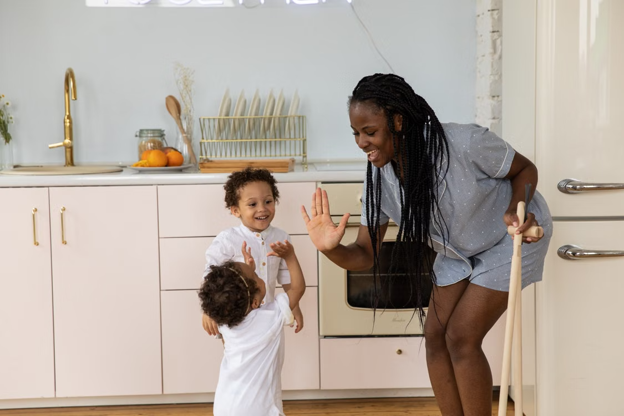
It’s easy for home projects to stall when time is tight and everyone wants something different from the weekend. A steadier approach is to choose work that fits your family’s season, keep the focus on collaboration, and leave space for reflection on family bonding and skill-building outcomes along the way. When that mindset leads, motivation for home projects comes from shared pride, not pressure, and family engagement benefits continue long after the tools are put away. Small projects build big confidence when everyone has a role.

To learn more about Gabriel Patel and Health Well Wise visit the following links:
Website: Health Well Wise
Gabriel Patel’s Blogs can be found on:
Health Well Wise
EasyPeasie

Gabriel Patel
with
Health Well Wise
Check out Gabriel’s articles - he is a regular contributor to TheraPlay4Kids.com