TheraPlay4Kids.com Guest Speaker Series
Beyond the Bell: How to Spark a Lifelong Love of Learning Outside the Classroom
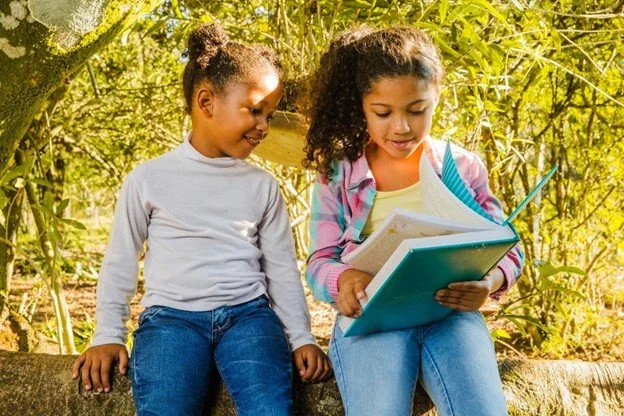
Beyond the Bell: How to Spark a Lifelong Love of Learning Outside the Classroom
Gabriel Patel with Health Well Wise
Every child’s learning journey is unique. While classrooms provide a strong foundation, real growth often happens beyond school walls — through curiosity, experience, and connection. As a parent, you can nurture that growth by encouraging exploration, creativity, and even language learning — building environments where communication and curiosity naturally flourish beyond traditional lessons.
What This Article Covers
Here’s what you’ll find in the next few minutes:
Simple, proven strategies to strengthen your child’s confidence & independence.
Ideas that balance structure and freedom — so learning feels natural, not forced.
Tools and activities for creativity, problem-solving, and cultural growth.
A practical checklist to keep learning alive through play, projects, and exploration.
FAQs at the end for quick answers to common questions parents ask.
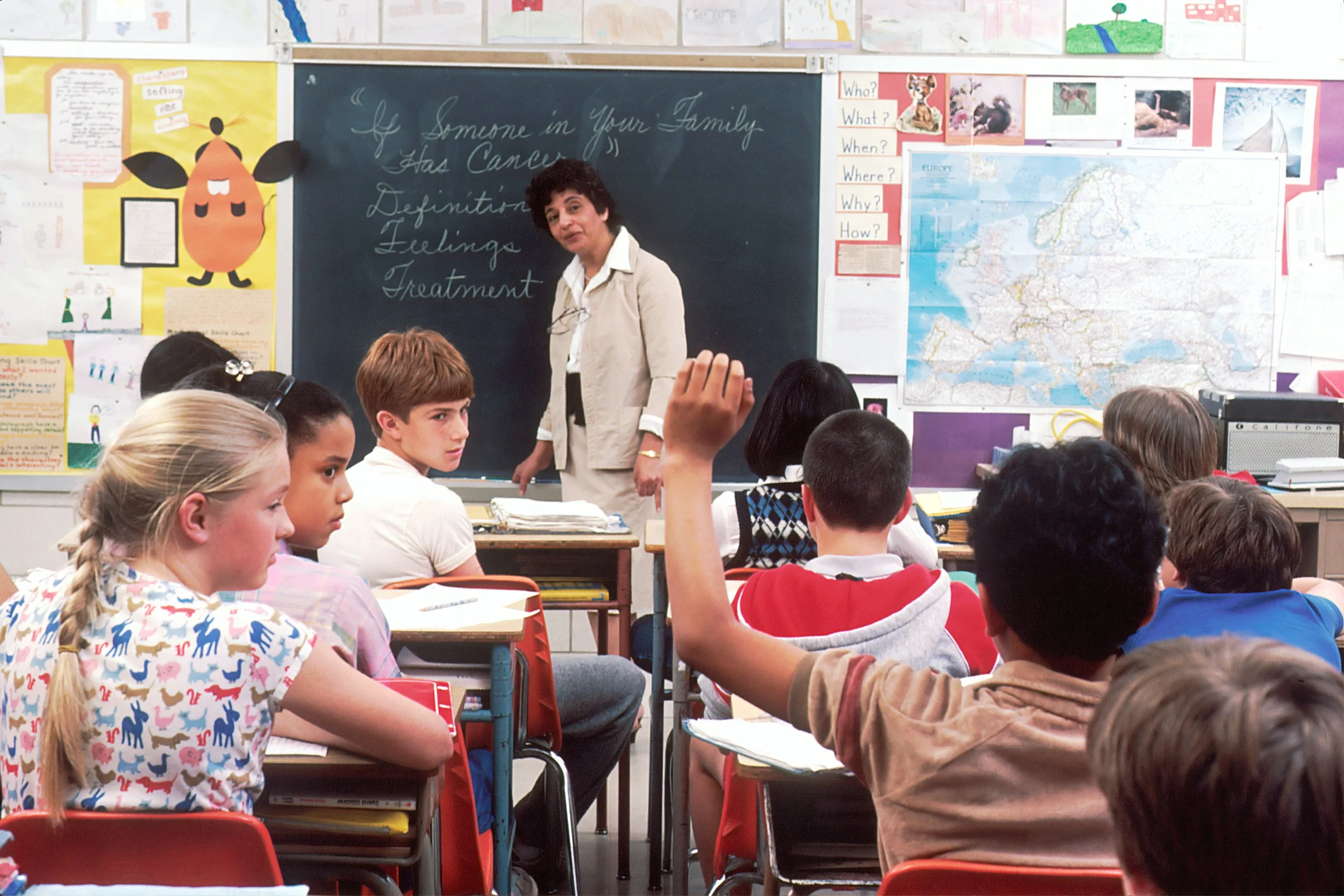

Rethinking Learning: The World as the Second Classroom
Classrooms teach structure, but the world teaches adaptation. Learning through experiences — like cooking, gardening, or volunteering — helps children connect ideas to real outcomes. When kids see how knowledge applies in daily life, understanding deepens and motivation grows.
Example:
A simple family garden project teaches patience, biology, and responsibility — all in one patch of soil. It’s not just about growing plants; it’s about growing curiosity.
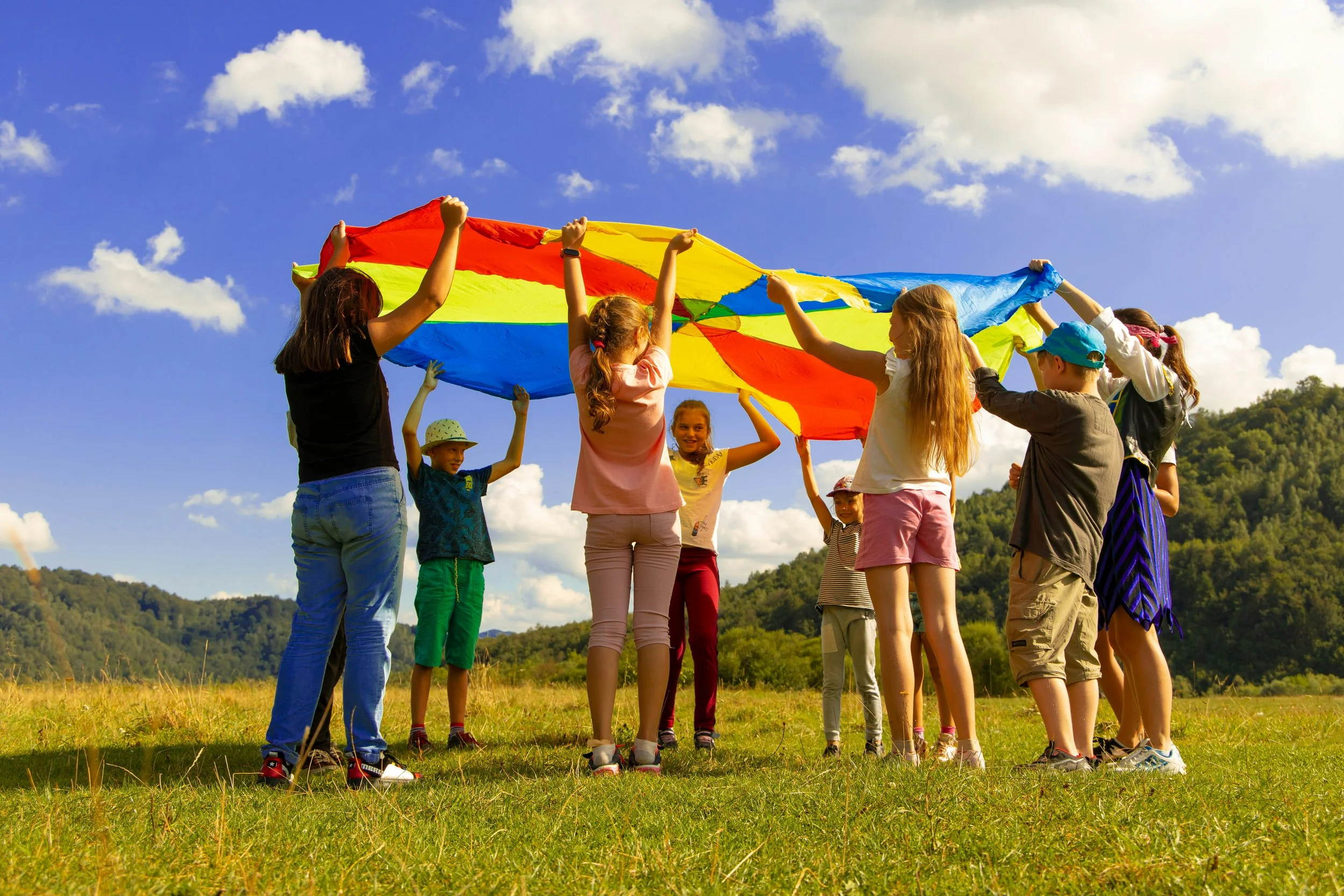


Social Learning: The Power of Play, Collaboration, and Movement
Interaction fuels understanding. Encourage unstructured play and cooperative activities where kids can take turns leading and following. These experiences build emotional intelligence and resilience — traits no textbook can teach.
Engaging Ways to Spark Everyday Learning
● Plan family “maker sessions” (build, cook, design).
● Ask open-ended questions: “What do you notice?” instead of “What’s the answer?”
● Visit local museums, parks, or farms — and let your child take the lead.
● Encourage journaling or storytelling after an outing.
● Turn chores into challenges: track progress, set mini-goals, and celebrate effort.
Each activity encourages self-direction — the ultimate skill for lifelong learning.
The Role of Guided Language Learning Experiences
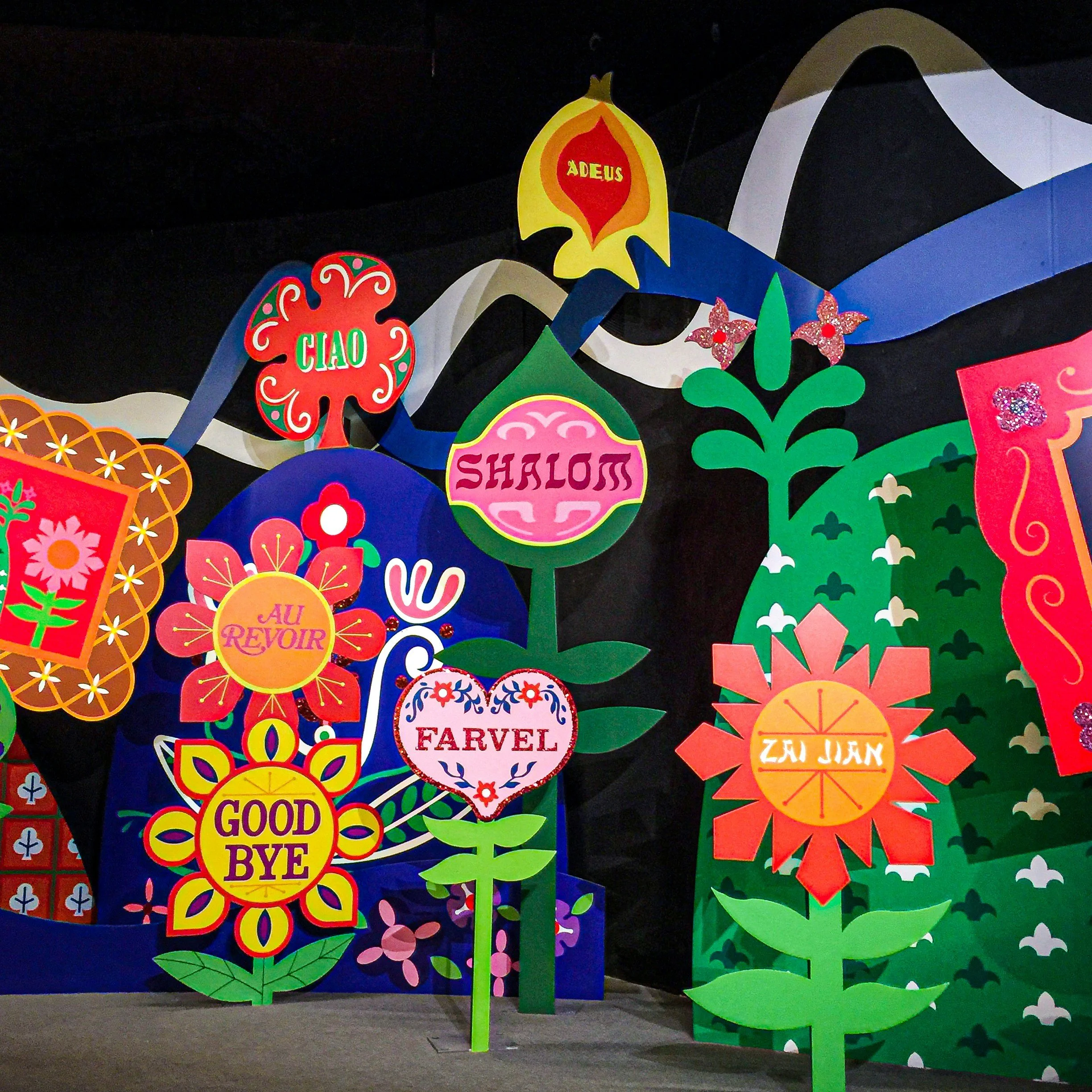
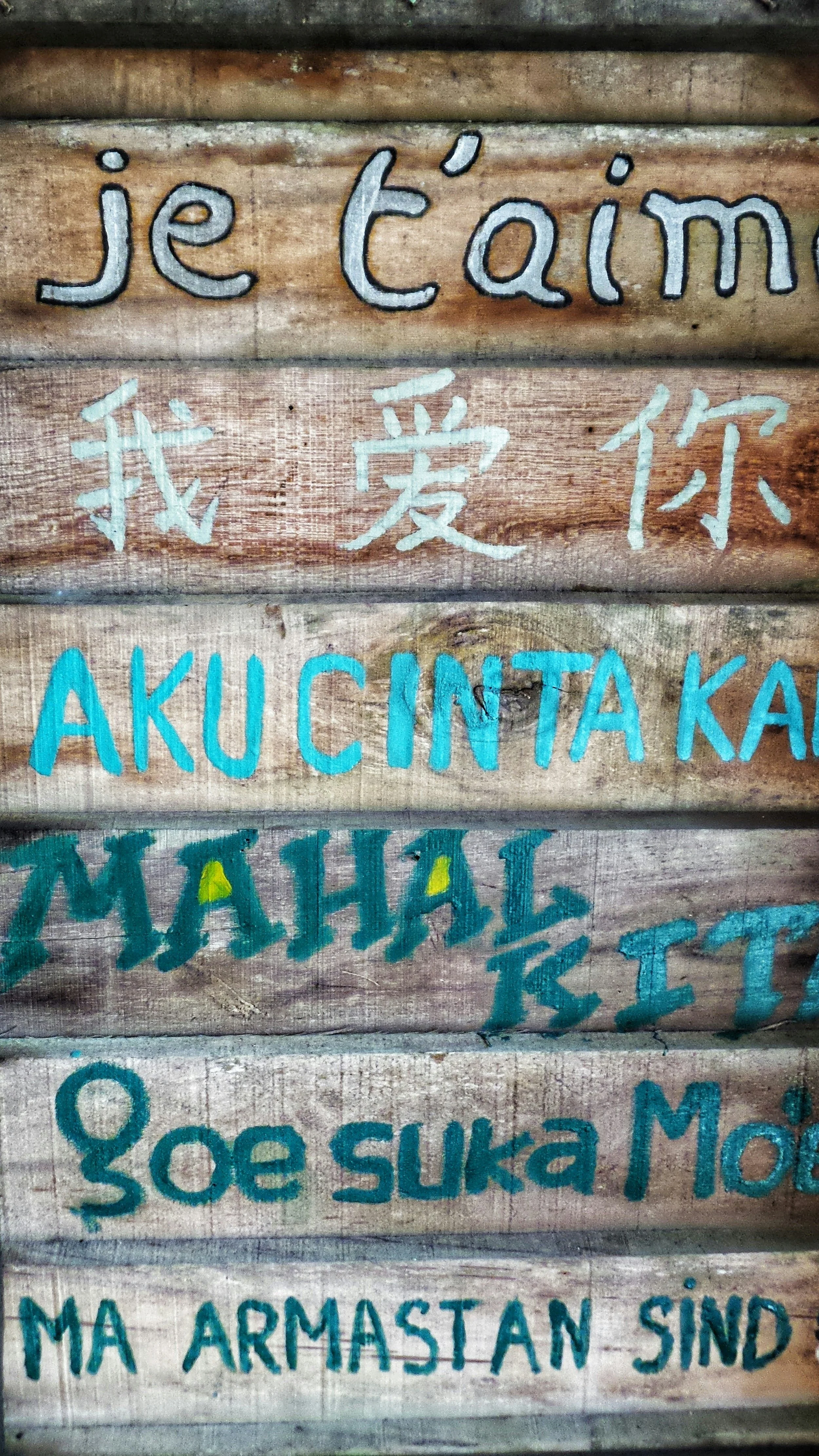
Sometimes, children need structured guidance that adapts to their personal pace and interests. That’s where human-led, flexible learning experiences can make all the difference. Exploring new languages is an excellent way for families to bond and grow their communication skills.
For instance, if you want your child to learn Spanish, look at Spanish courses that offer immersive, personalized sessions. These programs often feature supportive, motivating, and efficient one-on-one interactions that allow kids to learn confidently and progress at their own rhythm. By tailoring lessons to each child’s pace, such programs complement school learning while giving space for discovery — a crucial balance between structure and freedom.

Learning Through Connection: The Value of Therapeutic Play
Not all learning happens through books or screens. For many children, playful experiences guided by trained professionals can unlock new pathways to attention, focus, and emotional development.
Programs like Theraplay 4 Kids use movement, games, and interactive activities to strengthen cognitive readiness and confidence. These sessions aren’t about academic pressure — they’re about engagement, connection, and supporting the whole child. When play is guided with care, it becomes a bridge between emotional well-being and intellectual growth.
Building a Family Learning Framework
Learning doesn’t have to be accidental. A little intentional design can go a long way.
Category How You Can Support It Example Activities
Curiosity Encourage exploration Science kits, open-ended art projects & Creativity and “why” questions
Social Skills Model empathy/ cooperation Role-playing, family games, team play
Independence Offer choices/responsibilities Let them plan a meal, pack for a trip
Cultural Expose to diverse experiences Cook global dishes, explore Awareness language and music
Resilience Praise effort over outcome Reflect on what went well, what to try
A balanced mix of structure and spontaneity turns everyday moments into rich learning opportunities.

How to Extend Learning Beyond the School Day
Observe: Notice what captures your child’s attention.
Connect: Find real-world links to what they’re learning in class.
Co-create: Let them plan or teach something back to you — it builds mastery.
Balance: Blend digital tools with physical, hands-on exploration.
Reflect: Ask what they discovered — not what they scored.
When learning feels like part of life, not an extra task, children grow into self-driven learners who explore without fear of failure.
Recommended Parent Resource
If you’re looking for daily, research-backed parenting ideas to nurture creativity and focus, check out the Harvard Graduate School of Education’s Making Caring Common project. Their free guides explore how empathy, curiosity, and reflection shape both academic and emotional growth.

Frequently Asked Questions
Q. How much time should I spend helping with out-of-school learning?
A: Focus on quality, not quantity. Even 15–30 minutes of intentional engagement each day — reading, talking, or exploring together — builds strong learning habits.
Q. My child resists learning at home. What should I do?
A: Shift the environment. Make it playful or practical — not another “lesson.” Cooking dinner or building something together still teaches key skills.
Q. How can I tell if my child is actually learning outside of school?
A: Watch for curiosity, questions, and problem-solving, not just memorization. True learning shows up in how they connect new ideas or explain them in their own words.
Q. What's the best age to start learning a new language?
A: Any age is a good age. Younger children often absorb pronunciation intuitively and enjoy learning through play, but older children bring stronger reasoning and can progress quickly too. What matters most is that language learning feels joyful, personal, and curiosity-driven, not pressured or rushed.
Closing Reflection



Supporting your child’s learning beyond school isn’t about doing more — it’s about learning differently. Encourage curiosity, embrace mistakes, and explore new experiences like language learning together. Learning doesn’t end with a bell — it begins wherever wonder, words, and connection start to grow.
To learn more about Gabriel Patel and Health Well Wise visit the following links:
Website: Health Well Wise
Gabriel Patel’s Blogs can be found on:
Health Well Wise
EasyPeasie

Gabriel Patel
with
Health Well Wise
Check out Gabriel’s articles - he is a regular contributor to TheraPlay4Kids.com