TheraPlay4Kids Guest Speaker Series
Alternative After-School Activities That Expand Children’s Horizons
Alternative After-School Activities That Expand Children’s Horizons
Sheila Olson owner and creator of Fit Sheila
Parents everywhere look for meaningful ways to enrich their children’s afternoons beyond routine sports or homework. Creative, out-of-the-box after-school activities help children build imagination, confidence, and curiosity while giving families fresh ways to learn together.


Key Ideas at a Glance
Innovative after-school activities promote creativity, resilience, and social skills.
Options range from community arts programs to environmental projects and entrepreneurial clubs.
Parents can nurture individuality by balancing structure with exploration.
Hands-on experiences and self-led discovery build long-term motivation and purpose.
Why Traditional Activities Aren’t Enough
For decades, after-school life revolved around sports practice or music lessons. While valuable, these don’t always accommodate diverse learning styles. Some children thrive on tactile, collaborative, or exploratory experiences that differ from classroom structure. The problem is that parents often default to familiar options, leaving creative potential untapped.
The friction lies in accessibility; many families don’t realize how many creative, low-cost alternatives exist in their communities. The good news: With intention and planning, families can choose programs that nurture imagination while building life skills.
Expanding beyond traditional after-school options lets children discover creativity and self-direction.

Creative Programs that Spark Imagination
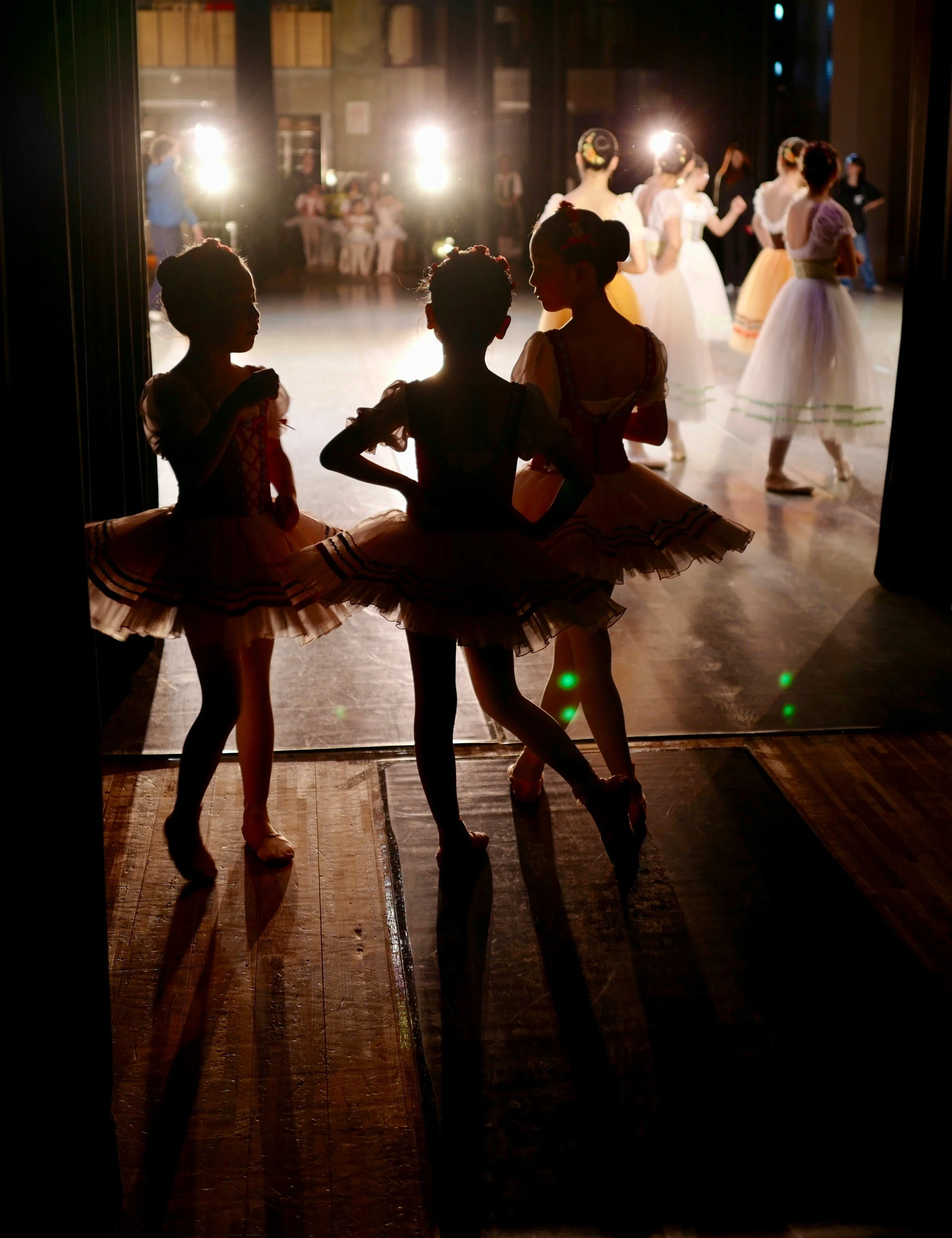
Children’s creativity flourishes when they’re free to experiment, make, and express. Art studios, maker spaces, and community workshops provide these outlets. Activities like pottery, printmaking, coding for storytelling, or community theater connect self-expression to teamwork and discipline.
Libraries and cultural centers increasingly host open art labs and STEM-art hybrids (like 3D design or digital music), blending creativity with technology, ideal for kids who think visually but also love gadgets.
Community art and maker programs encourage kids to combine imagination with technical skill.
Teen Entrepreneurship: Turning Curiosity into Action
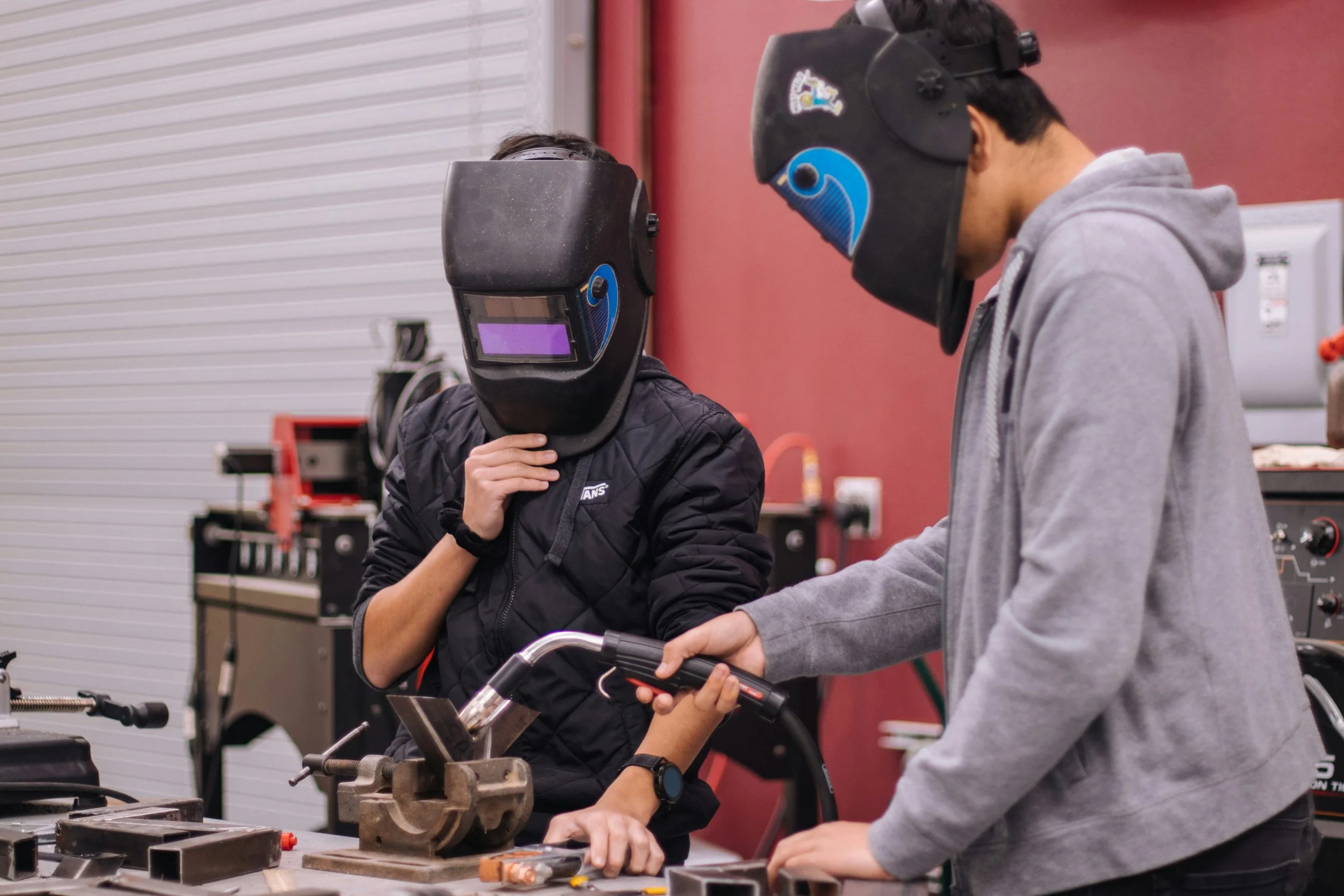
For teens seeking purpose and independence, entrepreneurship offers a unique after-school outlet. Starting a small venture builds creativity, resilience, and real-world problem-solving. Teenagers might sell handmade jewelry, offer tutoring, design eco-friendly crafts, or launch a neighborhood recycling service.
A small but empowering step is to print a business card using a free online app. It lets users design and order custom cards through intuitive templates, generative AI tools, and sleek editing features, helping young entrepreneurs feel professional and confident as they grow their ideas.
Teen entrepreneurship transforms curiosity into skill, and free online tools can help young creators present their ideas confidently.


How to Evaluate After-School Opportunities
Not every program fits every child. Before enrolling, parents should look for signs of creative alignment. Does the activity encourage exploration, collaboration, or self-initiated learning? Does it celebrate experimentation over competition?
Checklist for Parents Selecting an Activity
Before committing to a program, walk through these quick steps:
Identify your child’s core interests—art, science, nature, storytelling, or teamwork.
Ask about the program’s teaching style (exploratory vs. structured).
Visit the space or observe a session if possible.
Check for small group sizes that allow personalized attention.
Confirm the activity’s safety, cost, and transportation convenience.
Look for projects that have visible outcomes (performances, exhibitions, prototypes).
Ask how the program encourages leadership or self-initiative.
Talk with your child afterward: Was it fun, challenging, or inspiring?
Parents can match programs to their child’s personality by focusing on curiosity, creativity, and personal growth.
Eco and Outdoor Learning Adventures
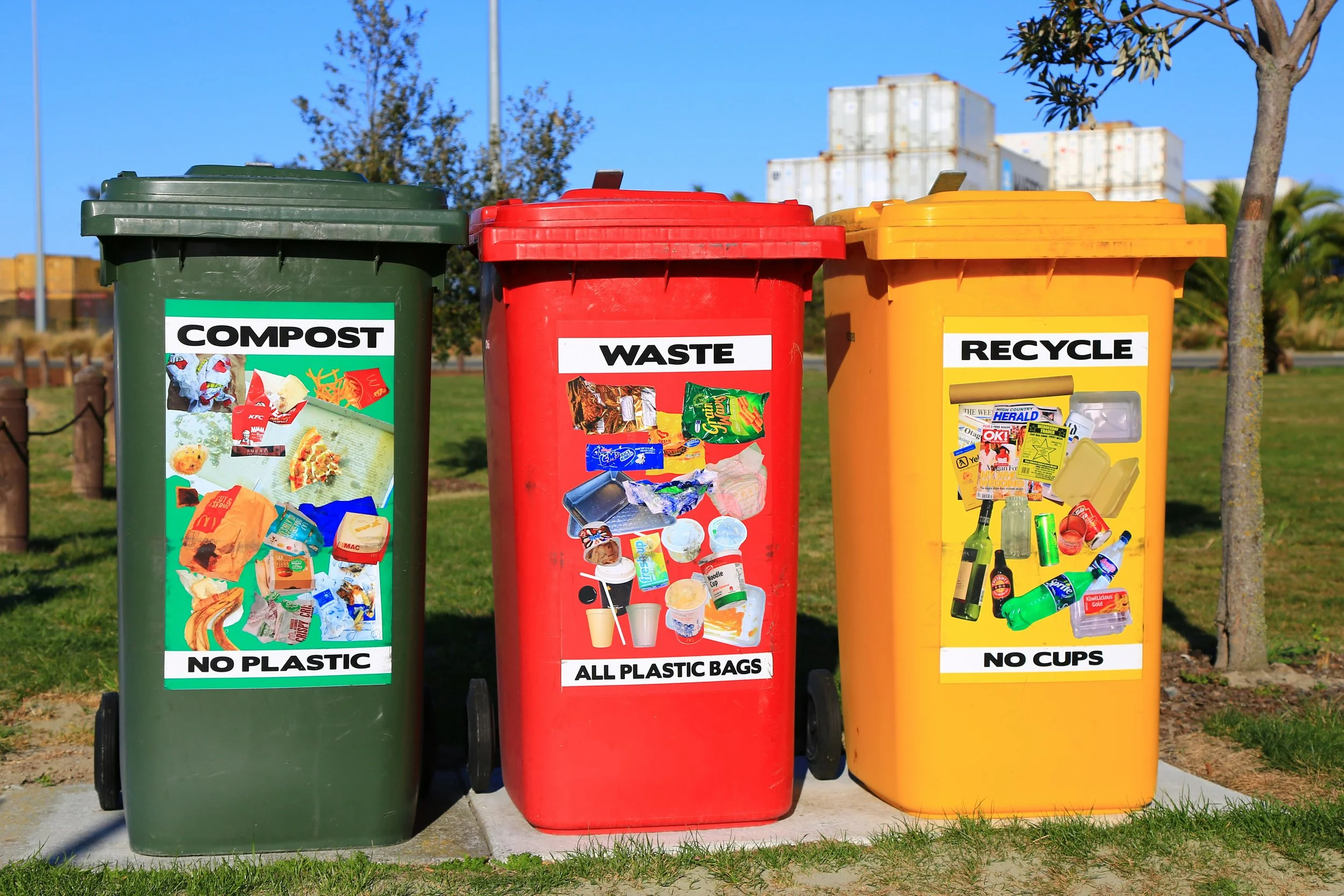
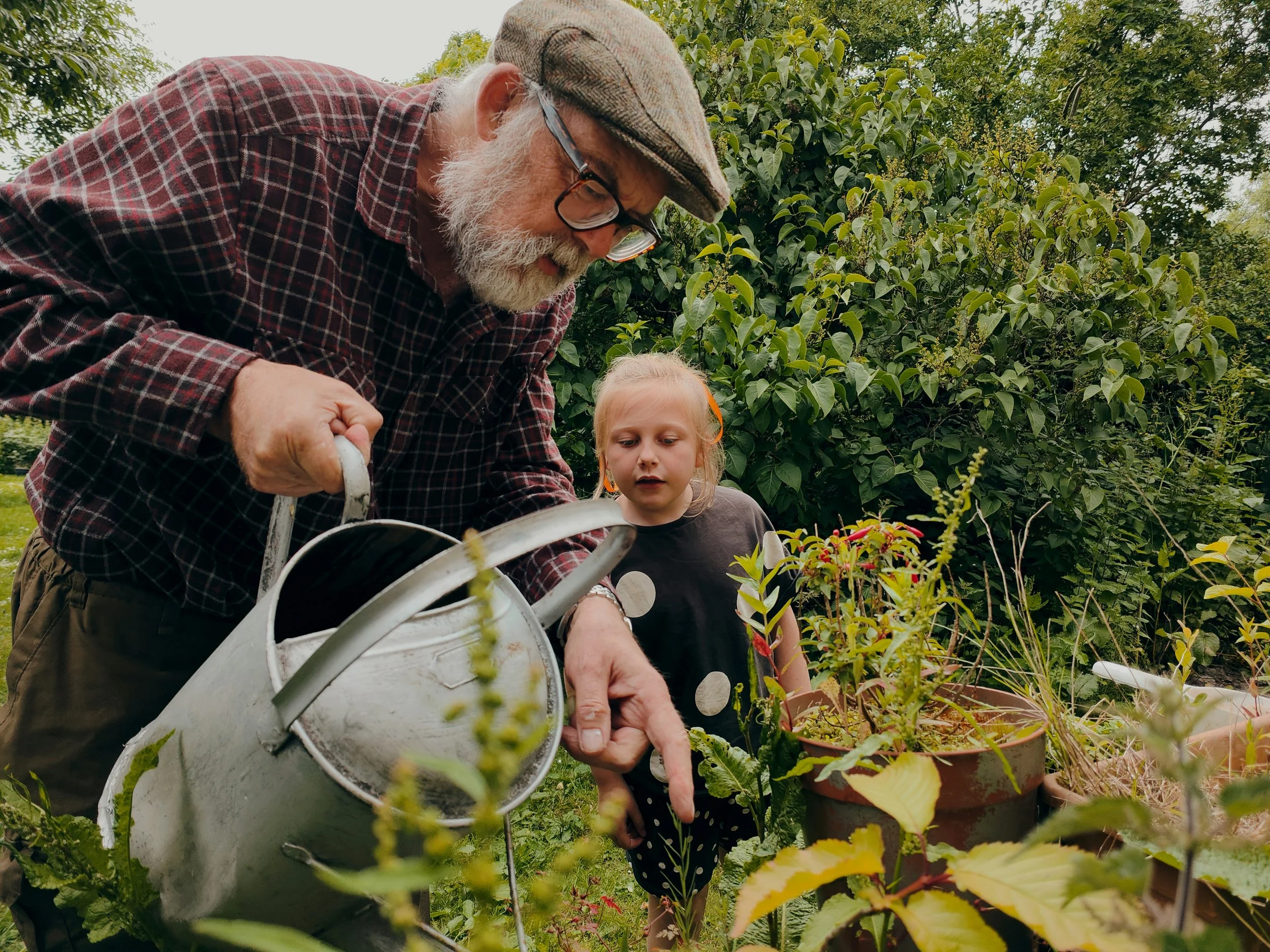
Outdoor experiences are more than just play, they develop mindfulness, environmental awareness, and teamwork. Gardening clubs, urban farming initiatives, and local conservation programs let kids see direct impact from their efforts.
For example, a weekend river cleanup teaches ecology, collaboration, and responsibility at once. Nature-based art projects, like crafting with recycled materials or creating murals about wildlife, blend creativity with sustainability.
Nature-based after-school projects help children connect creative thinking with environmental responsibility.

Digital Creativity: Building Skills for the Future
Modern creativity extends into the digital world. Coding clubs, podcast workshops, and animation programs allow kids to tell stories through technology. Unlike standard computer classes, these programs focus on imagination and creation rather than rote learning.
Children can create short films, design simple games, or record audio diaries exploring community topics. These activities not only build technical literacy but also empathy, by helping young creators express their voices meaningfully online.
Digital storytelling and coding projects let kids use technology as a creative language, not just a tool.
Sample Activity Comparisons
Here’s how different creative activities align with developmental goals:
Activity Type Core Benefit Skills Developed Ideal Age Range
Community Theater Expression & teamwork Communication, empathy 8–16
Maker Space Problem-solving via building Engineering logic, creativity 9–15
Gardening Club Environmental connection Responsibility, patience 6–14
Digital Art Studio Self-expression via tech Visual design, storytelling 10–17
Teen Purpose-driven innovation Leadership, financial literacy 13–18 Entrepreneurship
Each alternative activity nurtures creativity in distinct ways—from collaboration to self-reliance.


Encouraging Exploration at Home
After-school creativity doesn’t end when kids walk through the front door. Parents can nurture curiosity by setting up a “discovery corner” with art materials, recycled gadgets, or small science kits. Encouraging open-ended playwithout rigid outcomes builds intrinsic motivation.
You don’t need to schedule every hour, either. Sometimes, unstructured exploration leads to the deepest learning moments. Simply allowing space for curiosity can be as transformative as any formal program.
Quick List of Low-Cost Ideas
Try these household-friendly after-school activities that spark creativity:
Build a small family podcast or storytelling night.
Start a balcony garden using upcycled containers.
Collaborate on a DIY science project or community map.
Encourage journaling, sketching, or music creation.
Organize “swap sessions” with neighbors for art, crafts, or book trades.
Everyday creativity at home helps children see that learning happens beyond classrooms.



Frequently Asked Questions
Before wrapping up, here are common questions parents ask when exploring alternative after-school experiences:
1. How can I tell if a creative activity truly benefits my child?
Look for engagement beyond the class, when kids talk about it at home, apply lessons elsewhere, or teach others what they learned, it’s working.
2. Are these activities expensive or hard to find?
Many libraries, YMCAs, and community centers offer free or low-cost creative workshops. Digital tools and volunteer groups also expand access.
3. What if my child doesn’t stick with one activity?
Exploration is valuable in itself; switching interests helps kids understand themselves and develop flexibility.
4. How can I balance creative freedom with academic priorities?
Choose programs that complement school learning; problem-solving, communication, and critical thinking skills all support academic success.
Conclusion
Expanding after-school options beyond the usual choices can transform a child’s growth journey. By exploring arts, nature, entrepreneurship, and digital creation, parents give kids space to dream and do. The ultimate goal isn’t to fill time—it’s to foster self-expression, confidence, and lifelong curiosity.



More Information on Sheila Olson and her Fit Sheila website can be found by clicking the active links below:
Sheila Olson has been a personal trainer for five years. She created Fit Sheila to spread the word about her fitness philosophy and encourage her clients to stay positive. She incorporates mindfulness and practices for reducing negative talk into her sessions.
Fit Sheila website - Click & Go!

sHEILA OLSON owner of Fit sheila
Personal Trainer, Owner & Creator of Fit Sheila