TheraPlay4Kids.com Guest Speaker Series
From Playtime to Purpose: Nurturing Leadership in Your Child at Every Stage

From Playtime to Purpose: Nurturing Leadership in Your Child at Every Stage
Gabriel Patel with Health Well Wise
Leadership isn’t born—it’s cultivated through consistent example, encouragement, and structure. Parents are a child’s first mentors, and the home is their earliest leadership lab. From how you solve conflicts to how you handle failure, every action you model becomes a blueprint for your child’s approach to responsibility, collaboration, and vision.
Quick Takeaways
Explore how everyday family life can build essential leadership traits.
Learn why setting an example is more powerful than instruction.
Discover practical ways to encourage independence and empathy.
Understand how structure, feedback, and reflection strengthen decision-making.
Find out how outside programs and learning opportunities expand leadership experience.



Accountability by Example
Children don’t learn leadership by listening—they learn by watching. Your actions teach them how to communicate, take ownership, and persist when things get hard. Modeling self-discipline, humility, and responsibility sends a powerful message: leaders aren’t perfect, but they are accountable.
For instance, when you make a mistake and own it in front of your child—“I shouldn’t have lost my temper; let’s talk about what I can do differently”—you’re teaching integrity through vulnerability. Self-awareness forms a pattern that children naturally imitate.
The Power of Going First
One of the most profound ways to model leadership is to keep learning yourself. When parents take bold steps to grow—such as returning to school or pursuing advanced degrees—they demonstrate resilience and adaptability.
Going back to school not only opens career opportunities but also shows children that learning never stops. Parents who explore online BSN to FNP programs, for example, often illustrate how growth leads to professional leadership and improved life balance.

Encouraging Independence Early
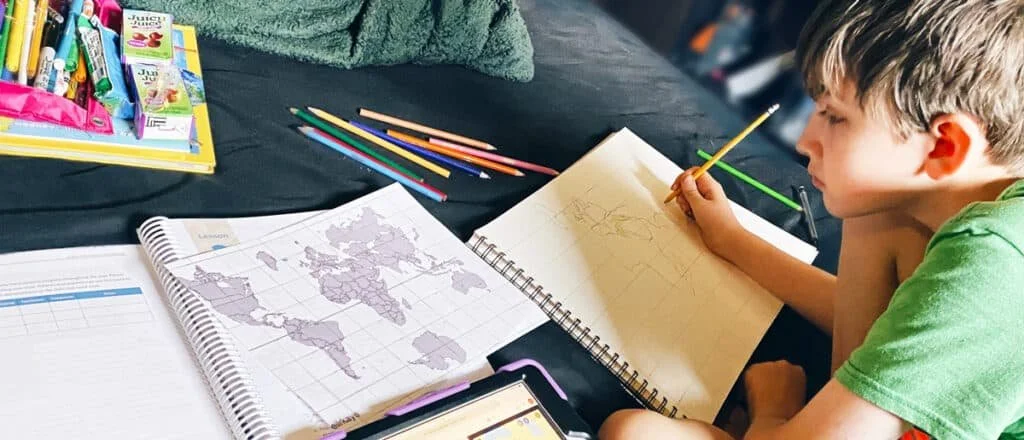
Encouraging children to make small decisions—choosing what to wear, managing chores, planning family activities—builds autonomy and confidence. Over time, these choices develop into decision-making frameworks that prepare them for greater responsibilities.
A few ways to do this effectively:
Remember to ask open-ended questions (“What’s your plan for finishing your homework before dinner?”).
Celebrate effort and problem-solving, not just outcomes.
Let them experience low-stakes failure—it’s where real learning happens.
Where Play Becomes Purpose
Leadership is as much emotional as intellectual. Children who learn empathy, communication, and self-regulation often make the most trusted leaders later in life. That’s where structured play can make a difference.
Programs like TheraPlay4Kids combine therapeutic play with developmental activities that nurture emotional awareness and resilience. These guided exercises strengthen social intelligence, confidence, and cooperation—core traits for healthy, empathetic leaders. When parents join in, they reinforce emotional connection and shared purpose, key ingredients in collaborative leadership.



Building Leadership in Daily Life
Leadership isn’t confined to classrooms or sports teams—it grows in kitchens, carpools, and dinner-table conversations. Here are some simple ways to integrate leadership lessons into everyday routines:
Share decisions: Let children participate in setting family goals or planning events.
Rotate responsibilities: Give everyone a turn to lead small family projects or chores.
Reflect often: Ask what went well, what was hard, and what could be done differently next time.
Read biographies: Stories of real leaders humanize success and normalize setbacks.
Practice gratitude and service: Acts of empathy ground ambition in purpose.
Fostering Leadership at Home
To develop leadership skills organically, parents can follow this practical checklist:
Model accountability and honesty in daily interactions.
Encourage children to make age-appropriate choices.
Create a safe environment for mistakes and recovery.
Reinforce effort and persistence over perfection.
Provide opportunities for teamwork—family projects, volunteering, or peer mentoring.
Praise leadership behaviors (initiative, empathy, responsibility).
Integrate reflection rituals (family check-ins, journaling).
Each checked box is a small, deliberate signal that leadership isn’t an abstract concept—it’s a habit.



What Parents Should Know About Leadership Development
Before diving into formal leadership programs, it’s important to understand how learning and behavior intersect.
Approach Focus Long-Term Benefit
Modeling Observation and imitation Builds internal integrity/self- at home regulation
Mentorship Guided experience Improves confidence and and Feedback accountability
Structured play & Empathy and Strengthens collaboration and emotional learning Communication adaptability
Education & Growth mindset Demonstrates resilience and lifelong learning continuous improvement
Leadership growth happens best when all four approaches reinforce each other—home, school, community, and self.



FAQ: Parenting for Leadership
A few questions parents often ask about raising future leaders:
Q: Can leadership be taught, or is it innate?
A: While some children naturally take initiative, true leadership is built through experience, mentorship, and consistent feedback.
Q: What if my child is shy or introverted?
A: Leadership doesn’t require extroversion. Encourage thoughtful communication, listening, and small acts of courage—these are the marks of authentic leadership.
Q: How can technology help or hinder leadership?
A: Technology can enhance problem-solving and creativity when guided wisely. The key is balance—ensure it supports learning and connection, not distraction.
Q: When should leadership development start?
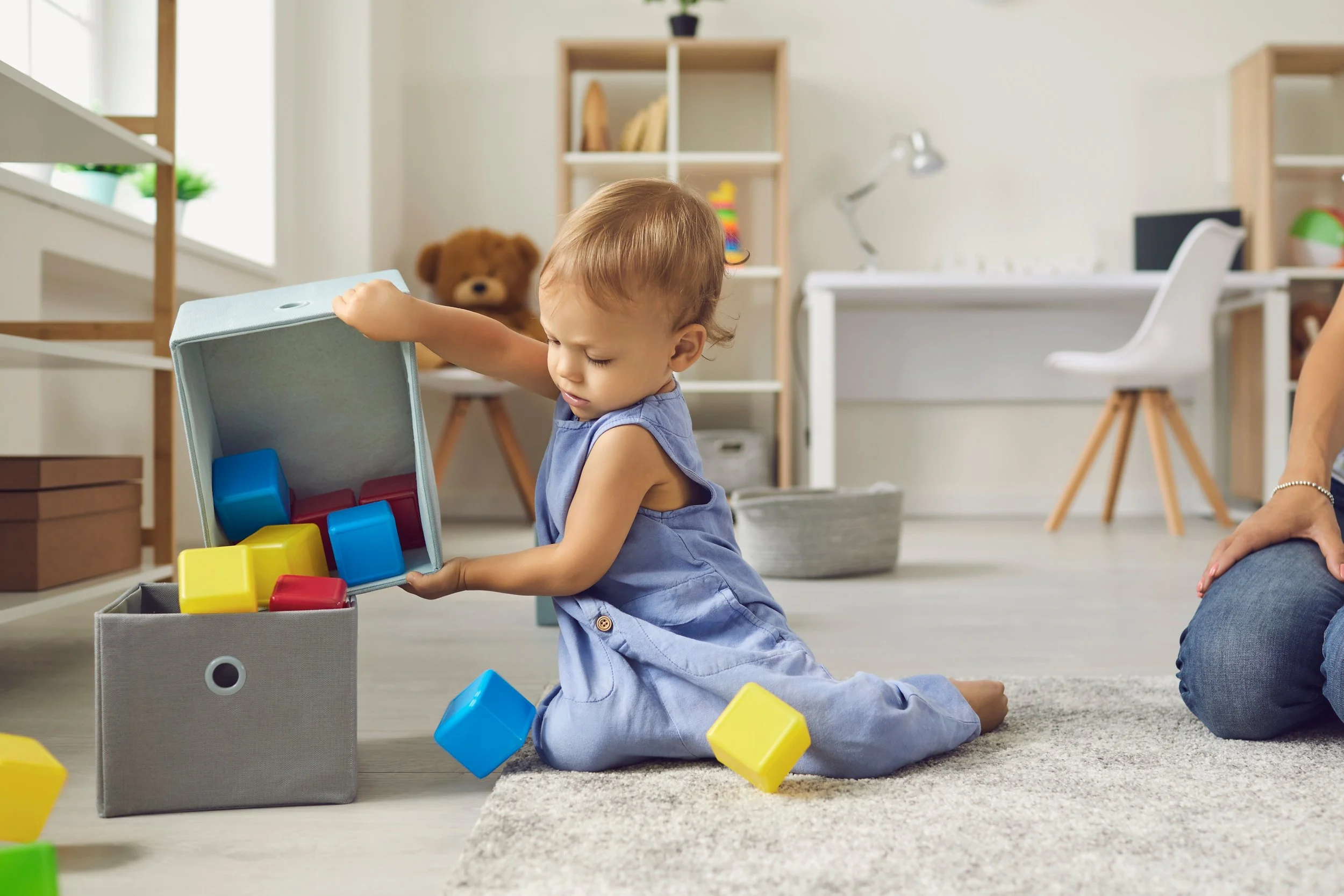
A: As early as possible. Even toddlers can learn the basics of empathy, turn-taking, and accountability through play and family routines.
In Closing
Raising a child who leads with empathy, clarity, and confidence isn’t about pushing them into power—it’s about guiding them toward purpose. When parents model growth, invite dialogue, and create space for learning and self-expression, they give their children not only the tools to lead but the wisdom to serve. True leadership begins at home—and it starts with your example.



To learn more about Gabriel Patel and Health Well Wise visit the following links:
Website: Health Well Wise
Gabriel Patel’s Blogs can be found on:
Health Well Wise
EasyPeasie

Gabriel Patel
with
Health Well Wise
Check out Gabriel’s articles - he is a regular contributor to TheraPlay4Kids.com
TheraPlay4Kids.com is providing this space for guest speakers and receives no monetary compensation for this service.
Please visit any links and sites that you may have an interest in. The guest speaker submissions are offered on a professional and purely voluntary basis.
TheraPlay4Kids.com — Share the Knowledge! —Share and Support! — Network Globally!