Theraplay4Kids.com Guest Speaker Series
Indoor Learning and Play Ideas That Spark Fun & Growth for Kids
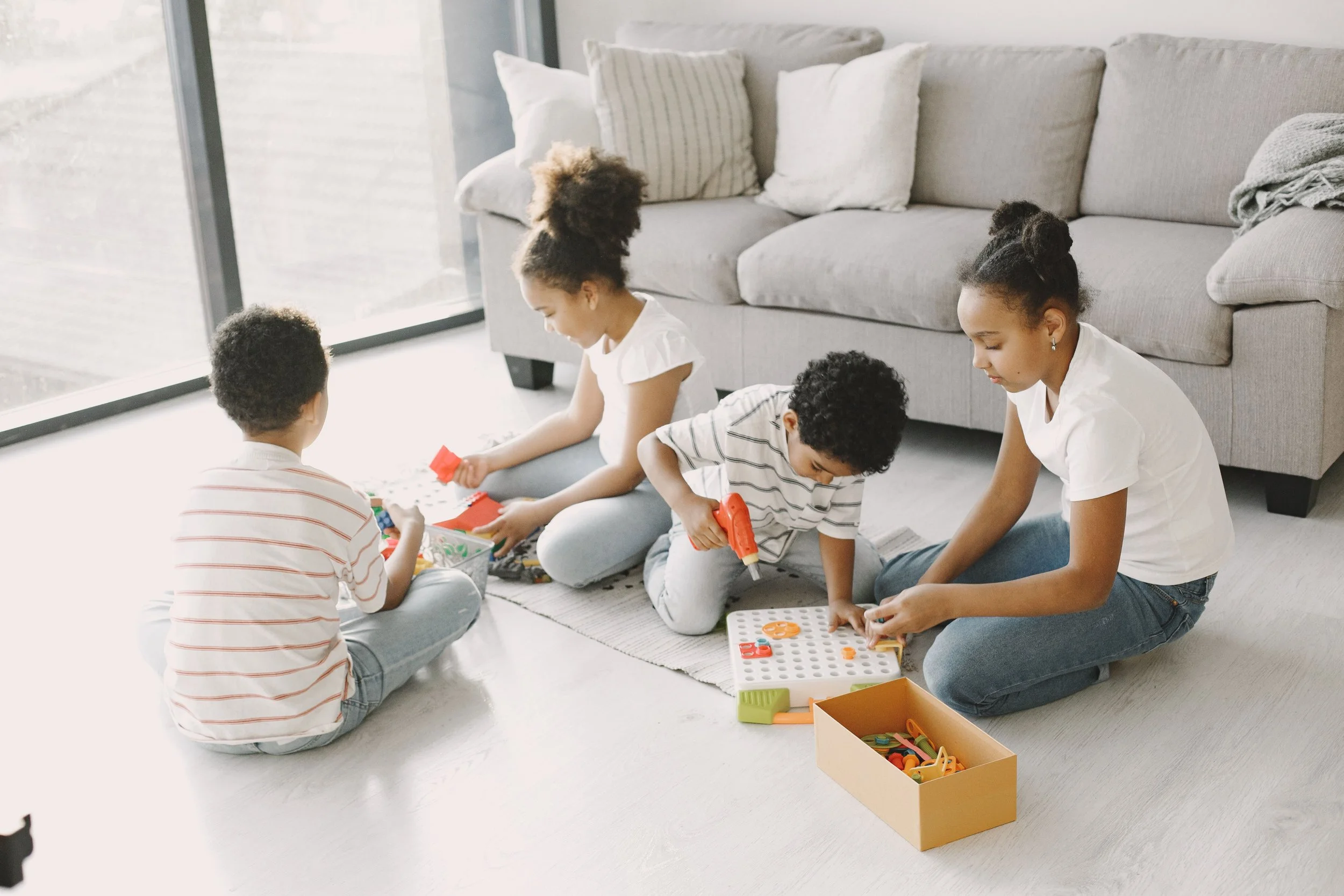
Indoor Learning and Play Ideas That Spark Fun & Growth for Kids
Sheila Olson owner and creator of Fit Sheila
Parents of young children know how quickly a normal day can turn into a scramble when weather, schedules, or energy keep everyone indoors. The biggest children’s entertainment challenges often hit at the same time: kids need novelty and movement, adults need calm, and screens start to feel like the only reliable option. Indoor child activities can do more than fill time when they’re built around simple educational play ideas that hold attention and support real skills. With the right indoor learning strategies, home can feel more manageable and kids can stay engaged.
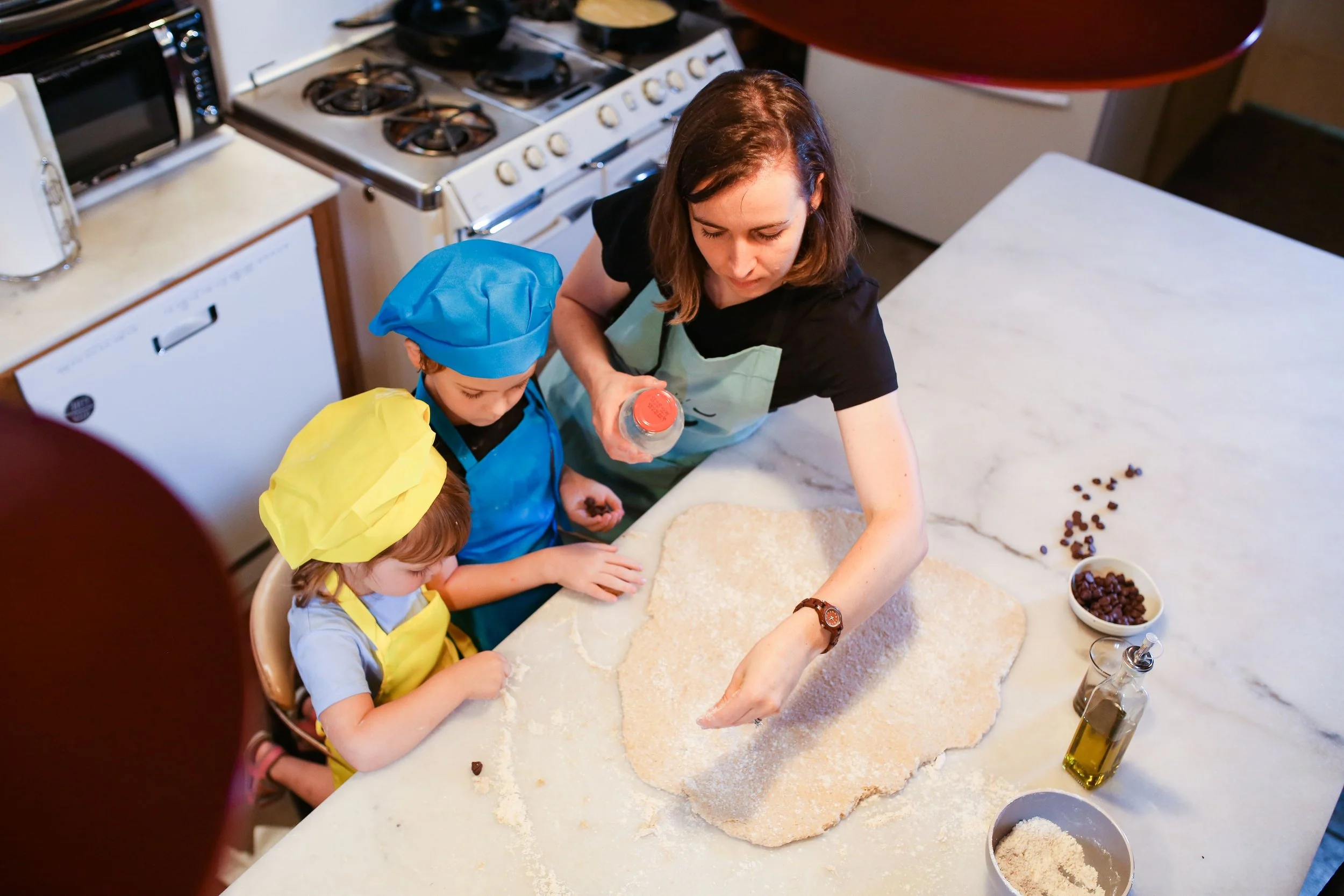
Why Variety Matters in Indoor Learning
When indoor time stretches on, the most effective plan is variety, not perfection. Mixing activity types means rotating thinking games, creative play, sensory experiences, and movement so kids learn through different “channels.” This matters because developmental domains grow together, and one repeated go-to activity cannot meet every need.
Variety supports cognitive development in children by strengthening attention, problem-solving, and language in different ways. It also supports emotional growth through play, giving kids a safe place to practice choices, frustration, and flexibility. When you include sensory play , you add calming input and hands-on discovery, even in a small space.
Think of it like a balanced indoor “menu.” A quick puzzle builds focus, a pretend store builds social skills, a dance break resets the body, and a simple craft slows everyone down. Rotating these options keeps boredom lower and cooperation higher. That’s where a simple card-based recall game plan becomes an easy next step.
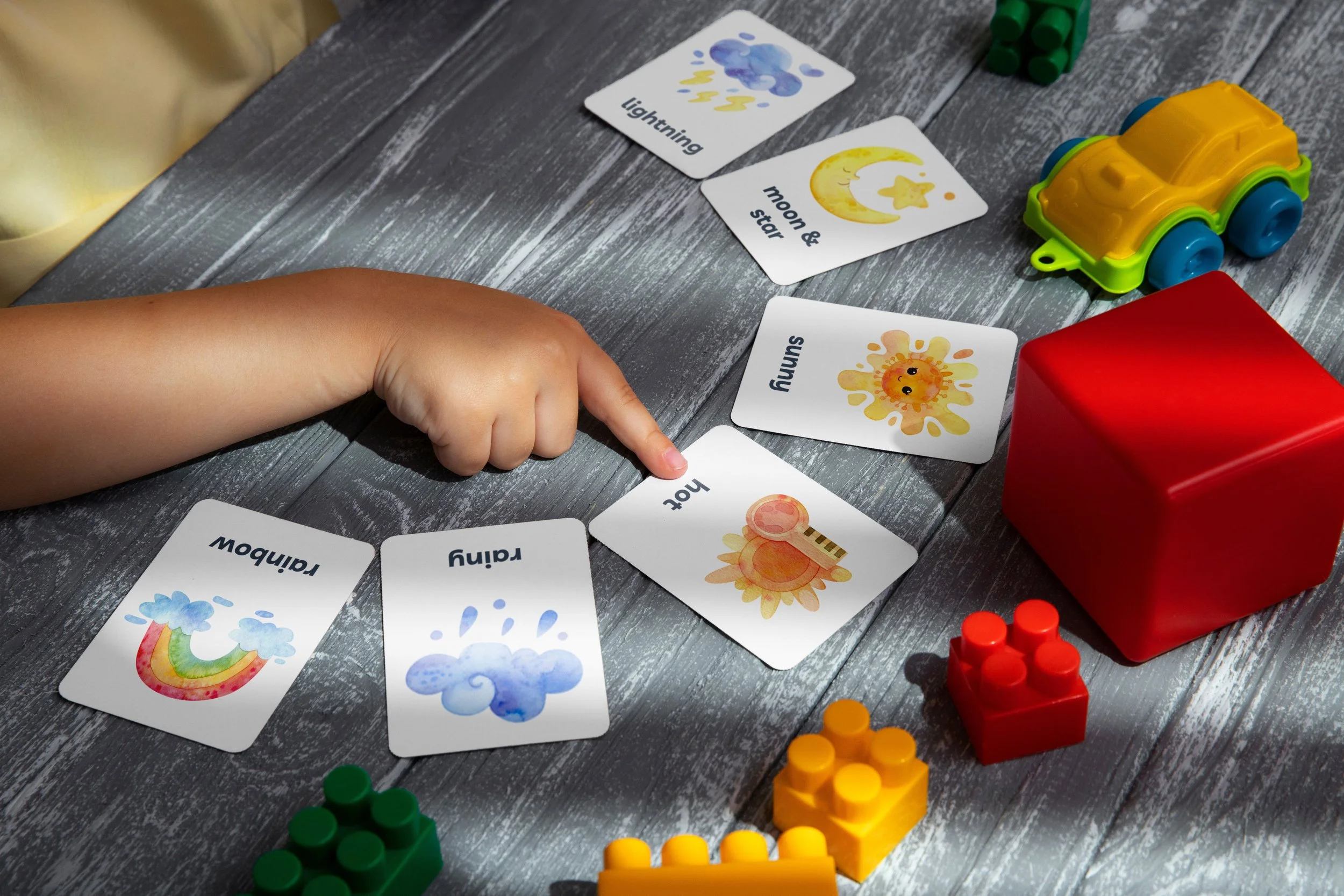
Make 10-Minute Flashcard Games for Vocabular & Memory Practice
When you rotate activities, it helps to have one option you can set up fast and reuse in lots of ways. Flashcards are an easy, hands-on way to turn indoor time into quick learning games: flip through cards for vocabulary practice, use number cards for simple math drills, or play memory-style recall challenges that ask your child to match a term with its definition or solve a formula-based prompt. To make cards without starting from scratch, an AI flashcard maker can take uploaded notes, PDFs, slides, and other study materials and convert them into organized digital flashcards by automatically spotting key terms, definitions, formulas, and important concepts, so you’re ready to play with content your child is already learning. If you want a simple way to generate those sets, try a flashcard tool that does the sorting for you.
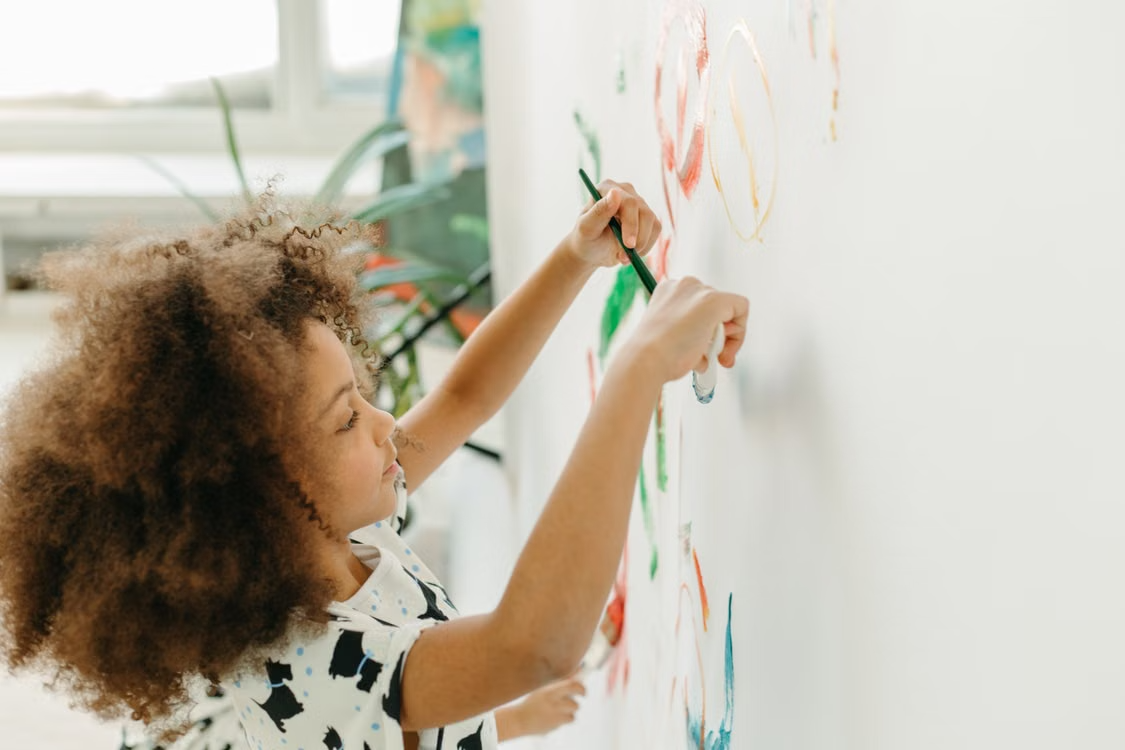
Indoor Activity Options Compared at a Glance
These options cover a range of indoor learning goals, from hands-on problem solving to calm focus. Use the comparison to match today’s time, tolerance for mess, and the skill you want to practice without overthinking it.
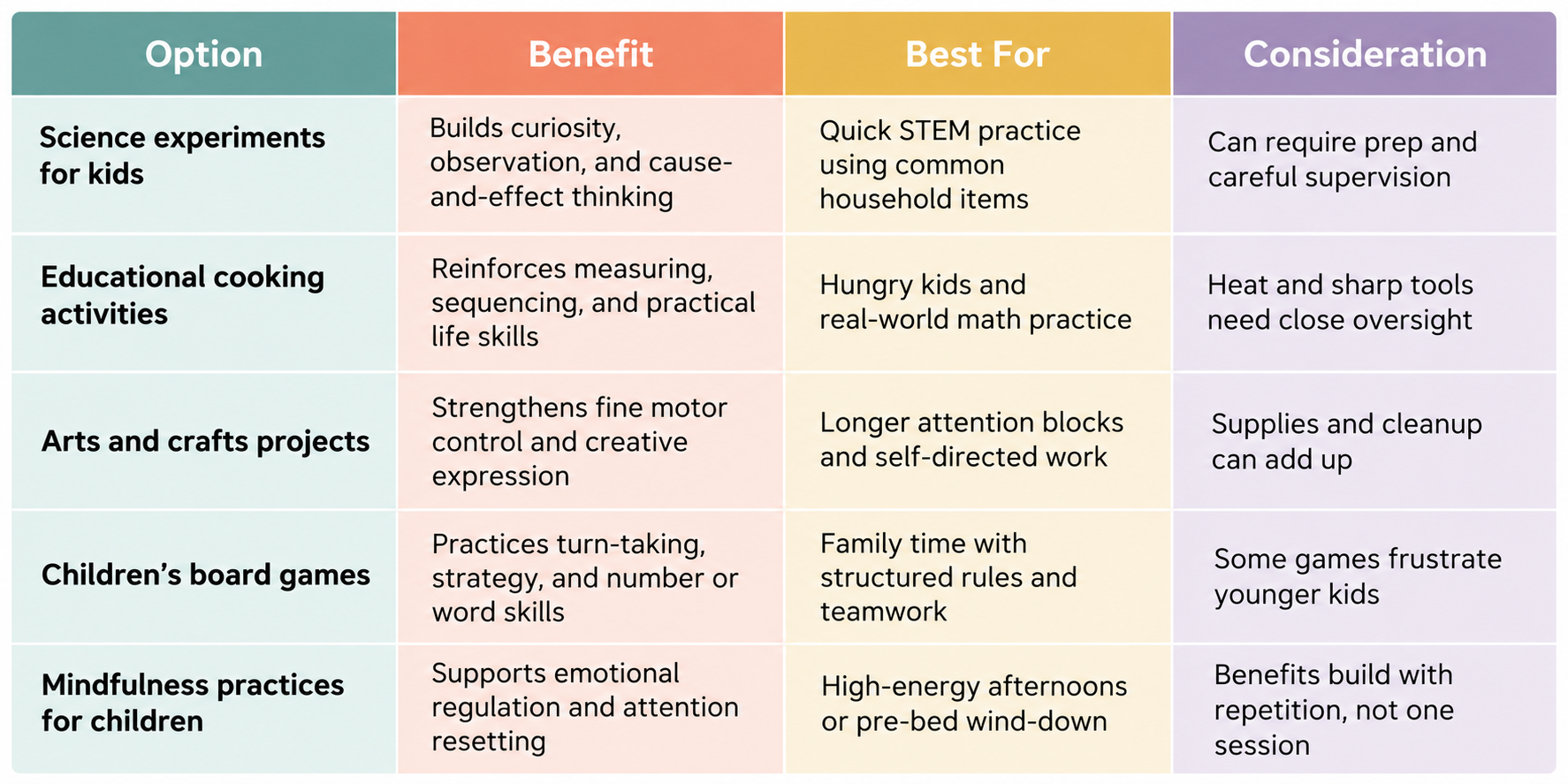
If you want the fastest win, pick the option with the lowest setup friction for you today. For deeper skill building, rotate a “thinking” activity with a “making” activity so kids stay interested. Knowing which option fits best makes your next move clear.
Habits That Make Indoor Learning Stick
Habits take the guesswork out of “What should we do today?” and help kids expect a steady mix of play and skill-building. With simple anchors and flexible swaps, you can keep indoor learning consistent while protecting everyone’s energy, especially when child burnout feels close.
15-Minute Learning Anchor
● What it is: A short, timer-based activity you can start without negotiating.
● How often: Daily, same time when possible.
● Why it helps: Predictability reduces resistance and makes focus easier to find.
Weekly Rotation Pick
● What it is: Choose three activity types for the week and repeat them.
● How often: Weekly, during a quick Sunday check-in.
● Why it helps: Repetition builds skills without requiring new ideas daily.
Setup-in-a-Bin Reset
● What it is: Keep one small bin with ready-to-go supplies and prompts.
● How often: Refill weekly or when it runs low.
● Why it helps: Lower setup friction means you follow through more often.
Two-Question Reflection
● What it is: Ask “What was fun?” and “What felt tricky?” after finishing.
● How often: After each session.
● Why it helps: Kids practice awareness and you learn what to rotate next.
Start Small to Make Indoor Learning a Weekly Habit
When kids are stuck indoors, it’s easy for screens to fill the gap and for parents to feel pressure to “make it educational.” The steadier path is the mindset of educational play takeaways and simple child engagement strategies, integrating fun and education through routines that leave room for choice, movement, and curiosity. With that approach, new indoor learning activities stop feeling like extra work and start becoming a reliable reset that motivates parents and keeps kids genuinely involved. Fifteen minutes of playful learning can carry more impact than an hour of forced focus.
More Information on Sheila Olson and her Fit Sheila website can be found by clicking the active links below:
Sheila Olson has been a personal trainer for five years. She created Fit Sheila to spread the word about her fitness philosophy and encourage her clients to stay positive. She incorporates mindfulness and practices for reducing negative talk into her sessions.
Fit Sheila website - Click & Go!

sheila Olson ~ Personal Trainer, Owner & Creator of Fit Sheila
Read Sheila’s other contributions to TheraPlay4Kids.com