Guest Speaker Series on TheraPlay4Kids.com
How to Manage Parenting Stress & Create Calm in Everyday Life

Gabriel Patel with Health Well Wise
How to Manage Parenting Stress & Create Calm in Everyday Life
Busy parents balancing work-life demands and parenting often feel stressed without a clear reason, which makes every small setback at home hit harder. The pressure usually comes from a familiar set of parenting stressors, work-life squeeze, kid logistics, and the constant home load, but it can be hard to name the pattern in the moment. Identifying family stress triggers turns vague overwhelm into specific, workable information. Once the common causes of parental stress are clear, parents can see why stress builds quickly and how it shapes the tone of the whole household.

Why Parenting Stress Feels So Intense
When pressure stacks up, it helps to know what stress is doing inside you. Parental stress is the emotional, mental, and physical strain that builds when caregiving demands outpace your resources. Your body shifts into a threat-response mode, which narrows patience, speeds up reactions, and makes small problems feel urgent.
This matters because your nervous system sets the emotional “weather” at home. When a caregiver runs hot, kids often mirror it, partners misread it, and everyday decisions turn into conflict. The result is a feedback loop where tension creates more tension.
Picture arriving home already keyed up, then hearing arguing and a spill. Your brain tags it as one more threat, so your voice sharpens and everyone’s bodies tense. Within minutes, one stressed adult can change the whole room. That’s why calming tools, from breathing to cautious natural options, can make a household feel safer fast.
Explore Low-Risk Stress-Relief Modalities Beyond the Basics
When stress stays “on,” it can help to have a few gentle, low-risk options you can layer in thoughtfully. Alternatives some parents consider are mindfulness or relaxation practices, natural supports like ashwagandha , and, where it’s legal and appropriate, cannabinoid options such as THCA isolate , a flavorless ingredient some people prefer for customization. Whatever you choose, start low, go slowly, and pay attention to how you feel.
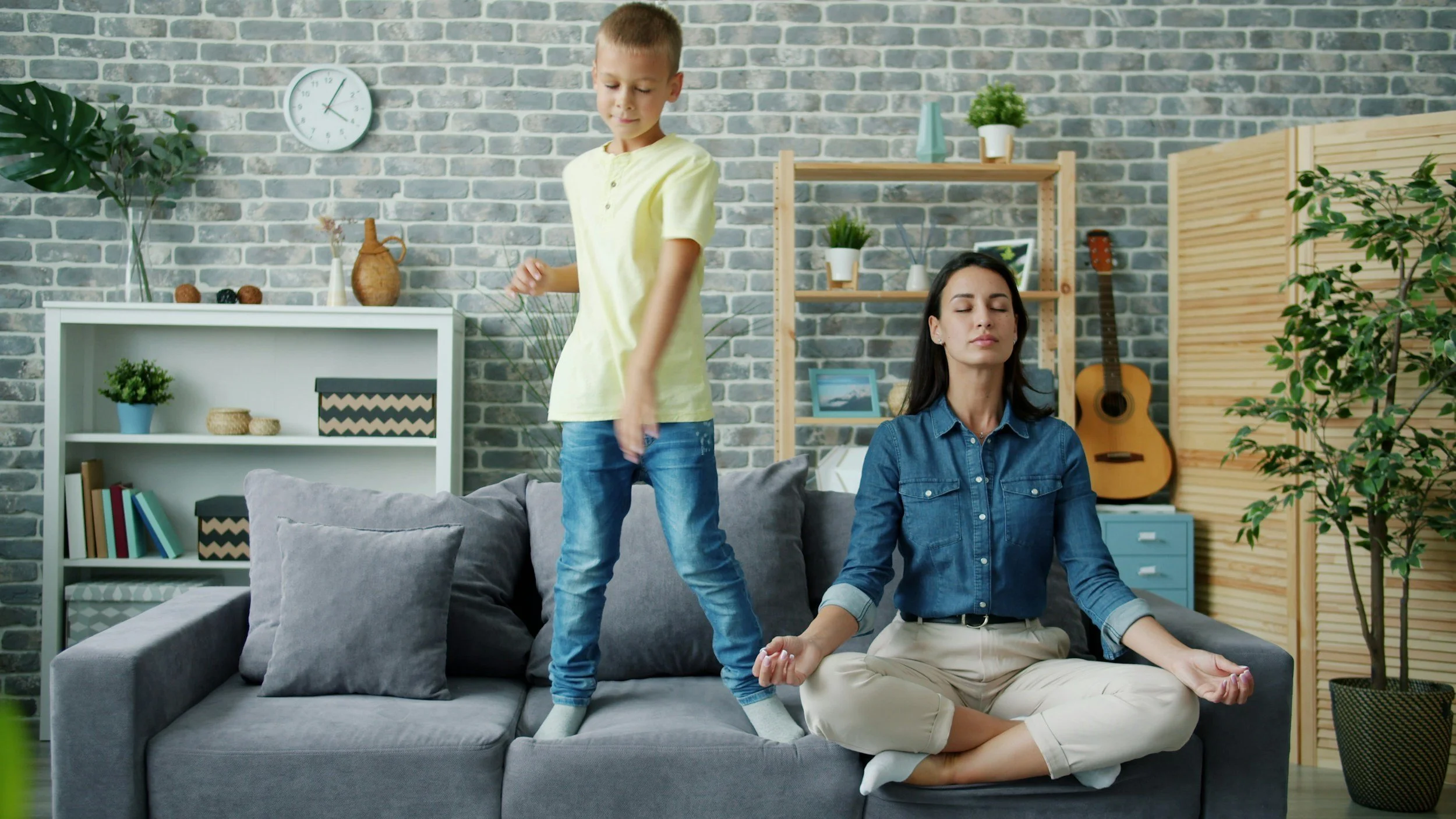
Habits That Build Calm Into Your Parenting Week
When you practice the same calming movements again and again, your body learns what “safe” feels like and returns there faster. That matters because parental stress and well-being are closely linked, so small changes can add up over time.
Two-Minute Reset Breath
● What it is: Inhale four counts, exhale six counts, for ten rounds.
● How often: Daily, especially before the after-school rush.
● Why it helps: Longer exhales cue your nervous system to downshift.
Snack Upgrade, Not Overhaul
● What it is: Pair a protein with fiber at one snack.
● How often: Daily.
● Why it helps: Steadier blood sugar can reduce irritability and crashes.
Ten-Minute Movement Microdose
● What it is: A brisk walk, stairs, or a short strength circuit.
● How often: 3 to 5 days weekly.
● Why it helps: Movement burns off stress chemistry and clears mental fog.
Work Stop-Time Boundary
● What it is: Set a daily “done” time to protect evenings.
● How often: Weekdays.
● Why it helps: Stronger work-life balance creates more room to recover.
Lights-Down Sleep Routine
● What it is: Dim lights, screens off, same bedtime steps.
● How often: Nightly.
● Why it helps: Predictable cues help your brain fall asleep faster.

Parenting Stress: Questions Parents Ask Most
Q: What if I’m so stressed that even “self-care” feels impossible?
A: You are not failing, you are overloaded. Many parents report stress is completely overwhelming , so start with a “minimum dose” option you can do on your worst day: one slow exhale, a glass of water, or stepping outside for 30 seconds. Then repeat the same tiny action daily until it becomes automatic.
Q: How do I know if this is burnout or just a hard season?
A: Burnout often shows up as emotional numbness, irritability, or feeling like nothing you do is enough, even after rest. The fact that parents self-reported burnout is a reminder that this is common, not a character flaw. If you feel persistently hopeless or can’t function, consider talking with a clinician.
Q: Can I reduce stress if my schedule can’t change right now?
A: Yes, by changing transitions instead of your whole day. Pick two pressure points, like mornings or bedtime, and add a simple cue: a 60-second tidy, a short stretch, or a calming phrase you say every time. Consistency matters more than duration.
Q: Why don’t quick fixes work for me?
A: Most “instant calm” hacks fade because your nervous system needs repetition to relearn safety. Choose one practice and tie it to something you already do, like after brushing teeth or before the carpool line. Track effort, not outcomes, for two weeks.
Q: What should I do when I snap at my kids and feel guilty?
A: Repair beats perfection. Say a brief, clear apology, name what you will do differently next time, and then reset with one regulating action like slowing your breathing or washing your face with cool water. That combination lowers tension and models accountability.
Build Long-Term Calm With Small, Repeatable Parenting Habits
Parenting stress builds when the demands keep coming but recovery time keeps shrinking, leaving even small setbacks feeling heavy. The steadier path is the mindset of small, repeatable support, maintaining stress-reduction habits through sustainable wellness practices rather than chasing quick fixes. Over time, long-term stress management becomes less about willpower and more about rhythm, motivating parental self-care and empowering parents for resilience in everyday moments. Consistency is the calm you can control.

To learn more about Gabriel Patel and Health Well Wise visit the following links:
Website: Health Well Wise
Gabriel Patel’s Blogs can be found on:
Health Well Wise
EasyPeasie

Gabriel Patel
w/
Health Well Wise
Check out Gabriel’s articles - he is a regular contributor to TheraPlay4Kids.com