TheraPlay4Kids Guest Speaker Series
Kinetic Sand for Fine Motor Skills and Sensory Regulation at Home
IBIZA Magic Sand
Kinetic Sand for Fine Motor Skills and Sensory Regulation at Home
Rémi, IBIZA Magic Sand
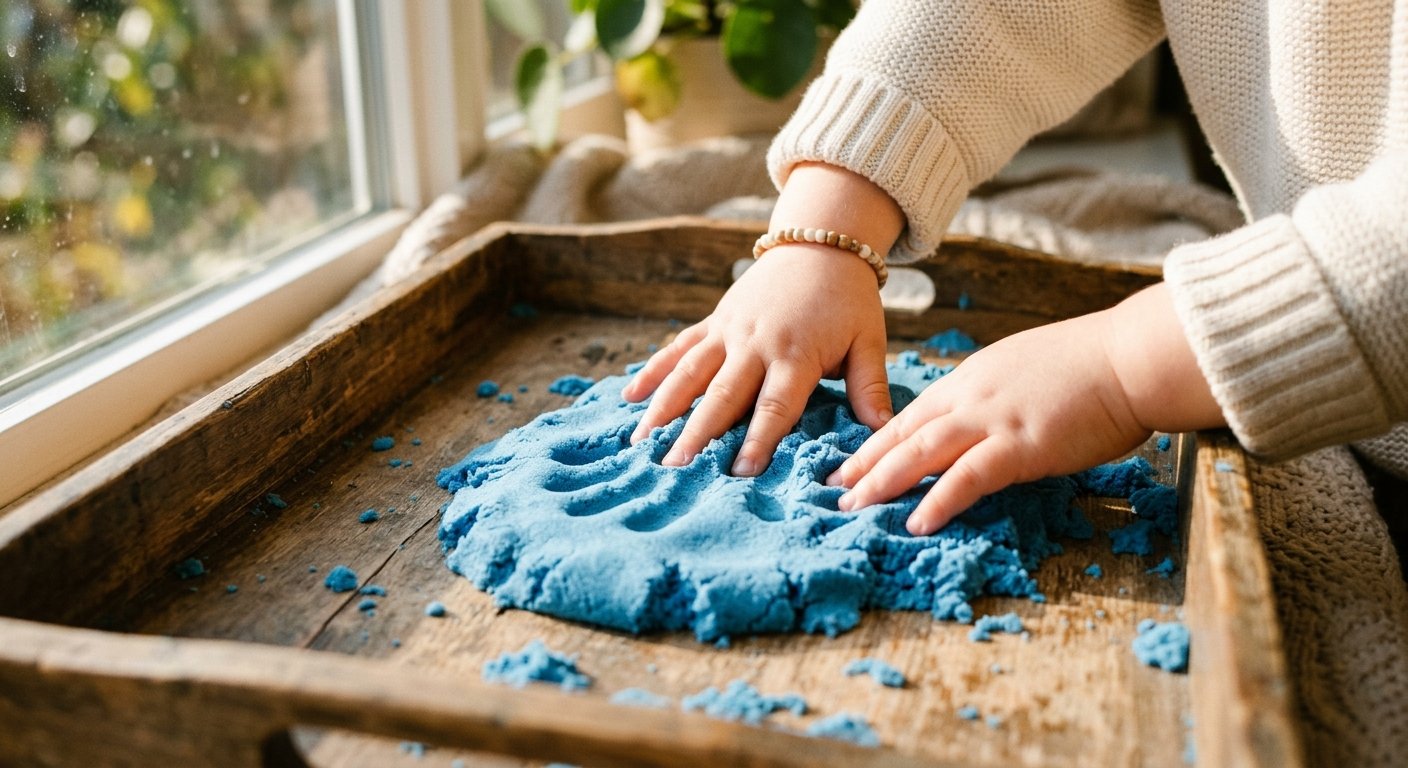
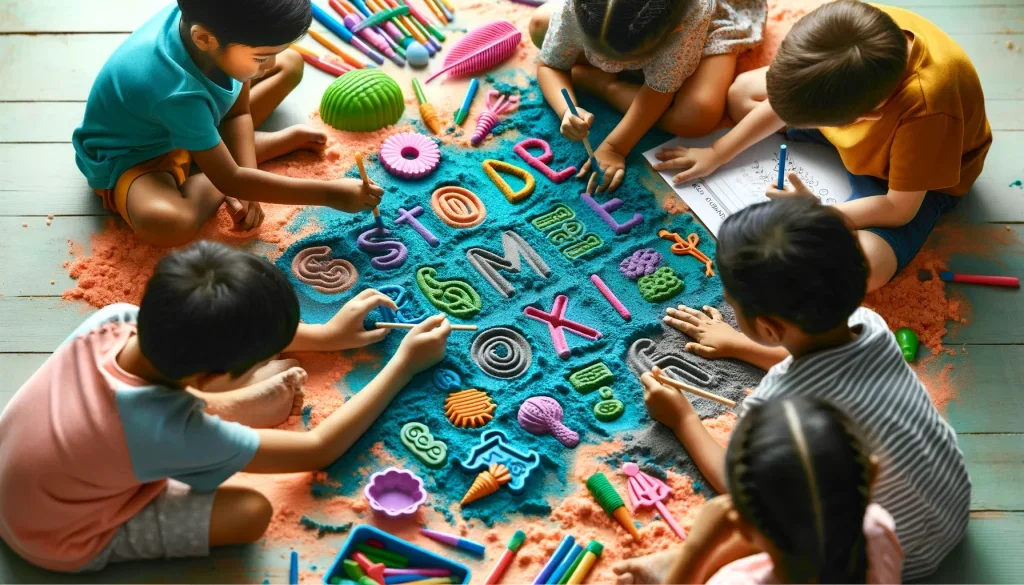
Hand a four-year-old a lump of kinetic sand and watch what happens. They squash it, poke holes in it, make a “cake,” flatten the cake and make another one. It looks like messing about. It is also a lot of hand practice: squeezing, pinching, scooping and shaping, with the child deciding what to make.
If you have tried the Sensory Sand Dough Recipe or the Sensory Sand Foam Recipe here on TheraPlay4Kids, you already know how much children love sand they can shape. A tub of ready-made kinetic sand is the no-mixing option for busy holiday weeks. The ideas below are for supervised home play; choose them to suit the child’s age and the product’s instructions.
IBIZA Magic Sand
Practicing hand movements through play
Fine motor skills are the small, precise movements of the fingers and hands. Children use them to button a coat, open a lunchbox, hold a crayon and, later, write their name. These skills grow with practice, and they grow best when practice feels like play.
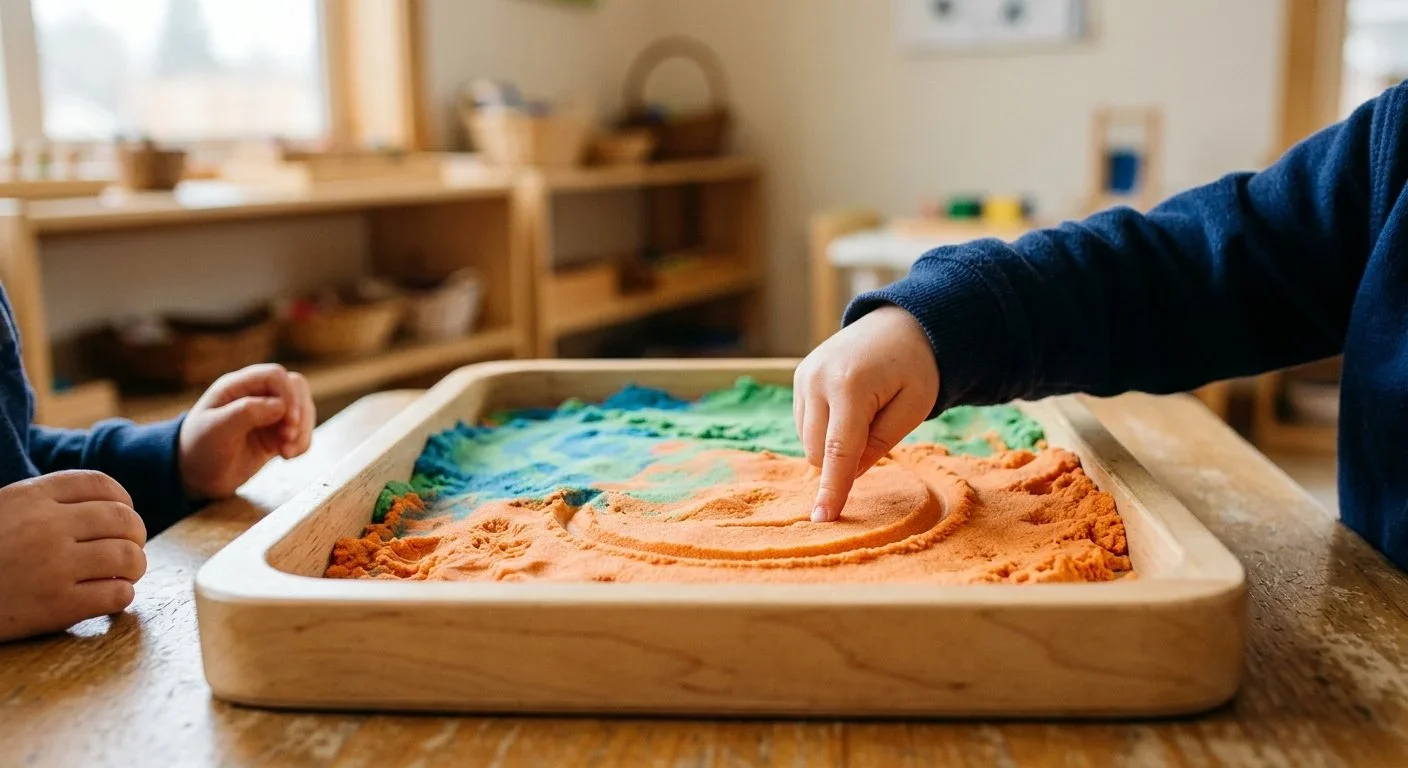
Kinetic sand pushes back, but only a little. Squeezing, pinching and pressing give the fingers different jobs, and the sand holds whatever shape the child made, so they see the result straight away. Think of it as a resistance band for little fingers, with instant feedback built in. There is no need for a perfect shape; the practice is in the doing.
St. Jude Children’s Research Hospital lists rolling, pinching and cutting playdough or putty among its fine motor activities for children. The sand activities below adapt the same ideas to a material that feels new every time.
Six activities to try
Start with a few minutes and finish while the child is still enjoying it. Apart from the sand, a shallow tray and a few kitchen or play tools are all you need.
IBIZA Magic Sand
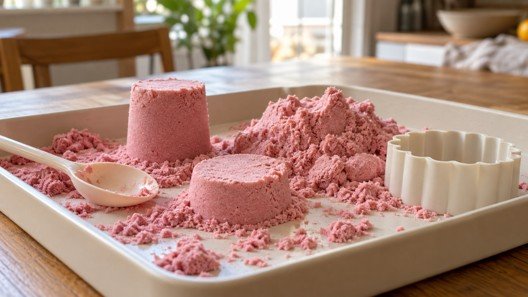
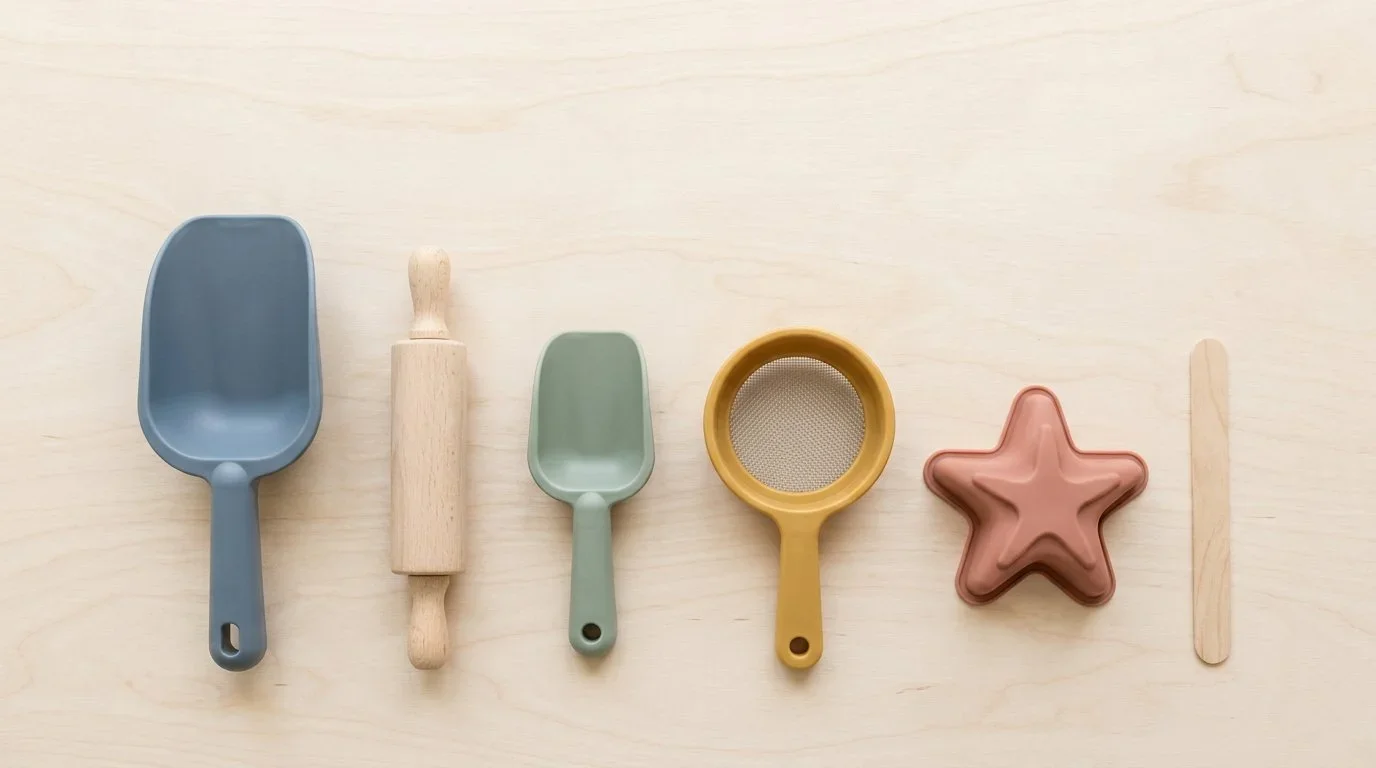
Simple molds and a spoon give different ways to shape sensory sand. AI-generated illustrative image.
· Treasure dig. Partly bury a large toy, too big to fit in a mouth, and let the child uncover it with fingertips or a spoon. Leave out beads, buttons and other small parts, and skip this one for children who mouth objects or sand. Good for: using the fingertips and finding things by touch.
· Snake factory. Roll the sand into a long snake, then pinch off tiny “eggs” along its back. Good for: pinching and finger control.
· Holiday bakery. Cut the sand with a plastic knife and stamp it with gingerbread-person or star cookie cutters. One hand holds, the other cuts. For a counting twist, borrow the idea from the Gingerbread People Pretend Play & Counting Game and move the finished “cookies” onto a tray with a spatula. Good for: bilateral coordination, the skill of getting two hands to do different jobs at once.
· Squeeze and release. Squeeze a comfortable handful while counting to five, then let go and watch the sand slowly slump. No need for maximum effort; stop if hands feel sore or tired. Good for: grip, and a surprisingly good giggle.
· Pencil practice without the pencil. Flatten a layer and trace letters or shapes with one finger. Wipe it smooth and start again. Good for: pre-writing movements, without the frustration of erasing.
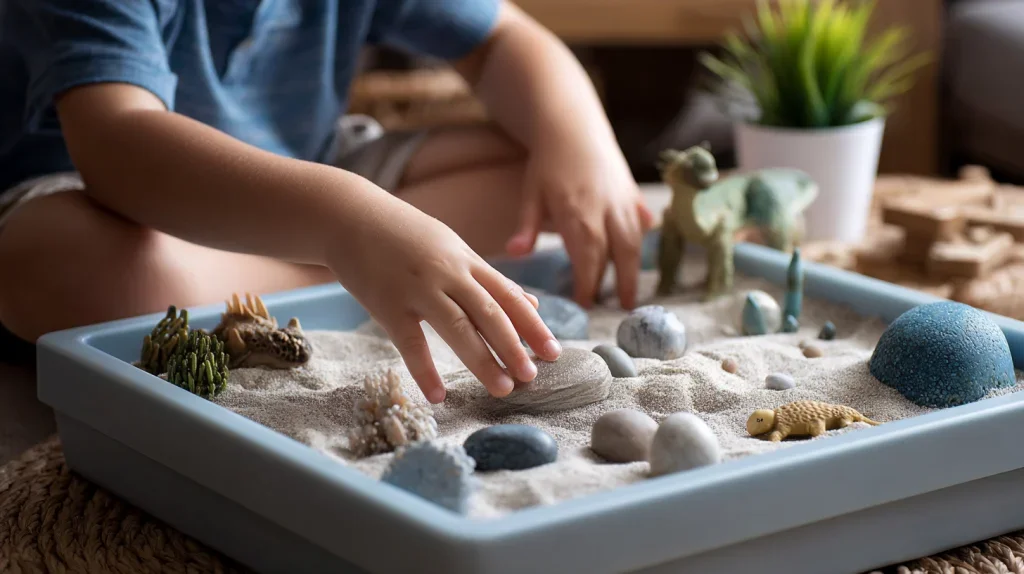
· Rake the garden. Draw slow lines with a blunt plastic sand rake and let the child choose the pattern and pace. Good for: a calm, focused moment, which leads to the next section.
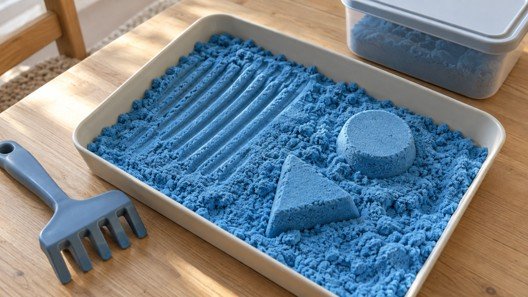
Grooves and broad shapes offer varied sand play. IBIZA Magic Sand
Kinetic sand and sensory regulation
Firm squeezing and pressing gives the hands and arms a lot of feedback about pressure and position. Therapists call this sense proprioception, and many children find that kind of input settling. Others dislike the texture, and the same child can react differently from one day to the next, so offer sand as a choice rather than assuming it will calm. For a child who enjoys it, a few minutes of slow squeezing and shaping can be a simple way to settle.
If your child enjoys it, a sand tray can become a predictable play break after school or before homework. Just keep it what it is: play, not therapy.
A few tips that make a real difference:
· Keep it predictable. Show where the sand stays and explain how the activity will end. Let the child’s interest set the length rather than the clock.
· Let your child set the pace. Some dive straight in. Others watch first and touch later. Both are fine.
· Offer a tool first. Children who dislike messy textures often accept a spoon or cutter long before bare hands. Never push hands into the sand.
· Watch the response. Slow shaping suits a child who needs to settle; building and flattening towers suits one who needs to move first. Stop if the child becomes upset or overwhelmed.
IBIZA Magic Sand
Setting up your sand station
· Use a baking tray or shallow plastic tub with a rim.
· Put an old sheet or a cheap shower curtain underneath. Some sand will escape, and that is okay.
· Keep the toolkit small: a few cutters, a spoon, a plastic knife and a mini rolling pin.
· Store the sand in a lidded container between sessions so it stays clean.
Safe Use at Home
Ingredients and age ratings vary between products, so read the label and follow the manufacturer’s instructions.
· Supervise throughout play. Follow the product’s minimum age and warnings. Children who still mouth or sniff play materials should not use loose sand.
· Keep small parts out. No beads, buttons, magnets or other loose pieces in the tray, especially with younger siblings nearby.
· Wash hands after play and keep sand away from eyes.
· Check the paperwork. Ask the supplier for age guidance, ingredient information and toy safety test reports for the exact product you buy.
· Ask for individual advice when needed. If hand difficulties affect everyday tasks, or a child finds ordinary sensations very upsetting, an occupational therapist can assess what they need.
IBIZA Magic Sand
For Therapists and Classrooms
For groups, give each child a separate tray, follow cleaning guidance and don’t share sand that has been mouthed. Therapists can adapt these activities to individual goals, and IBIZA Magic Sand has more ideas on using sensory sand in OT sessions. For larger quantities, IBIZA Magic Sand supplies bulk sensory sand in eight colors and several pack formats; ask for current specifications and test reports before ordering.
The Takeaway
You don’t need special equipment to give small hands a workout. A tray, a tub of sand and a few minutes of play do a lot of quiet work. Your child will just think they’re making cakes.
A note on names: “Kinetic Sand” is a Spin Master brand. In this article, kinetic sand means any moldable play sand that holds its shape and doesn’t dry out, whatever the label on the tub.
These are general play ideas, not clinical advice.
IBIZA Magic Sand
Find out more about Rémi and IBIZA Magic Sand
Magic Sand Website - Click and Go!
Magic Sand Product Video - Click to Watch!

Kinetic Sand for Fine Motor Skills and Sensory Regulation at Home
Rémi, IBIZA Magic Sand
TheraPlay4Kids is providing this space for guest speakers and receives no monetary compensation for this service. Please visit any links and sites that you may have an interest in. The guest speaker submissions are offered on a professional and voluntary basis.
TheraPlay4Kids.com
Share the Knowledge! —Share and Support!