TheraPlay4Kids Guest Speaker Series
Helping Kids Build Friendship Skills for School Success
Gabriel Patel with Health Well Wise
Helping Kids Build Friendship Skills for School Success
For occupational therapists and pediatric therapy teams supporting parents of school-age children, the hardest part is often how quickly classroom demands expose gaps in friendship skills development.
Parents commonly describe social challenges in childhood that look small on the surface, such as missed cues, rigid play, big reactions, or trouble joining in, but the outcome does add up to fragile peer relationships.
School provides opportunity, yet it rarely provides enough repetition or emotional safety for new social behaviors to stick. When the parental role in social learning is intentional and consistent, children bring more ready-to-use social confidence into real peer moments.

Understanding How Social Learning Builds Friendships
Social learning means kids pick up social know-how by watching, copying, and interacting with people around them. Friendship skills grow fastest when children get repeated chances to try simple routines like greeting, asking a question, sharing materials, and including someone new.
For therapy teams, this matters because home practice can turn vague goals like “be more social” into observable behaviors you can coach and measure. Modeling shows what to do, coaching names the steps in the moment, and encouragement reinforces effort so kids feel safe trying again.
Think of it like teaching handwriting: you demonstrate, guide the grip, then praise the attempt and adjust. In social play, the parent models a friendly opener, cues a turn, and highlights success when the child shares or invites.
That foundation makes a short, structured home get-together feel like guided practice, not pressure.

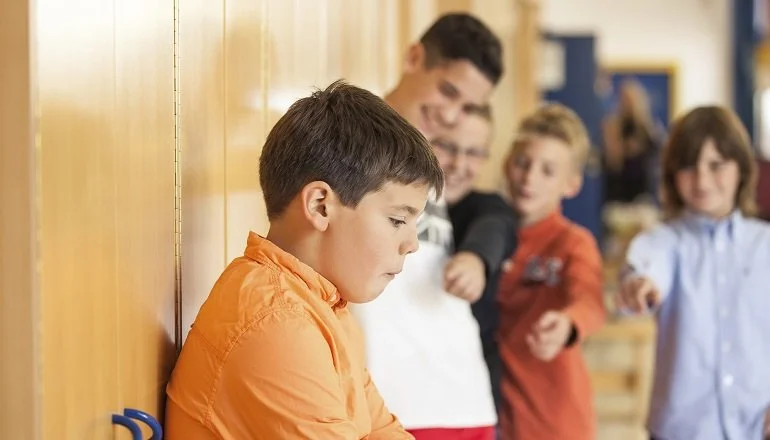
Hold a Friendship Party With Guided Turn-Taking
When social learning is built through safe, repeated practice, kids often gain the confidence to use those skills with peers at school.
Hosting a small party at home gives children a comfortable and supervised environment where they can naturally practice important social behaviors like starting conversations, taking turns, sharing toys, and making sure everyone feels included. In this familiar setting, kids are more likely to feel at ease, which helps them build confidence as they interact with peers and learn how to navigate friendships. These early experiences can translate into stronger social skills at school, making it easier for them to connect with classmates and form meaningful relationships.
To make the event feel special, an online invitation maker can be a helpful tool, allowing users to design and order printable invitations for free for birthdays, playdates, and other gatherings using free templates, fonts, and images, adding a creative and personal touch to the occasion.
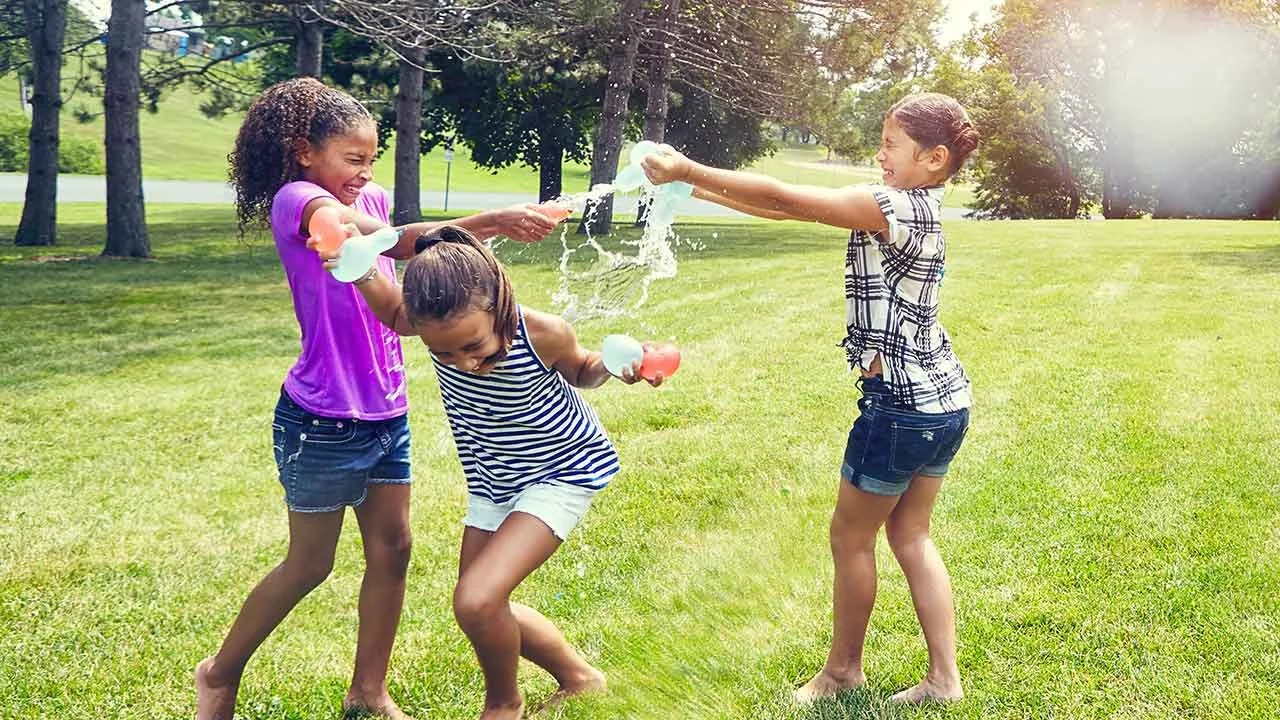


Use 7 Therapy-Ready Activities to Grow Sharing and Inclusion
Once a child can manage the rhythm of a short “Friendship Party,” the fastest growth often comes from repeating the same social moves in everyday home and community play. Use the activities below as therapy-ready reps for social confidence building, sharing and cooperation, and inclusive play that can generalize to school routines.
Run a “Two-Choice Turn” routine: Set a 5–10 minute timer and offer two acceptable choices each turn: “Do you want red or blue?” “Blocks or cars?” “You start or me?” This reduces negotiation load while still requiring the child to practice flexibility and perspective-taking. Keep a simple script posted: Ask → Wait → Thank → Take turn.
Teach “Include-You” scripts with role cards: Practice three short lines during play, then use them in real situations: “Want to join us?”, “You can be the ___,” and “Do you want a turn after me?” Use role cards (starter, chooser, helper, cleaner-upper) so inclusion is built into the structure, not left to social guessing. Rotate roles every 2 minutes so everyone rehearses being included and including.
Use cooperative-build challenges (one set of materials): Pick a shared goal that can’t be finished solo, marble run, fort, LEGO scene, snack plate design, using one bin of materials. Assign jobs that require coordination: one person finds pieces, one builds, one checks the “picture plan.” This supports peer relationship strategies like planning, negotiating, and repairing mistakes without framing it as “social skills work.”
Play “Pass to Keep Playing” games to grow sharing stamina: Choose games where the fun depends on passing, balloon volleyball, roll-the-die board games, card matching, or “mystery object” in a bag. Use a visible rule: “The game only continues when the item changes hands.” Educational research on play while learning supports the idea that play contexts can carry real skill practice, which is why these simple mechanics often outperform lectures.
Rehearse repair language with a 3-step “Oops Plan”: Conflicts are predictable; script them. Teach: (1) “I didn’t like that,” (2) “Can we try ___?” (3) “Thanks for fixing it.” Practice with tiny “setups” during your party (e.g., someone grabs the marker) so the child learns repair is a routine, not a meltdown moment.
Do community “micro-missions” for low-pressure social reps: In a park, library, or community class, give one mission that prompts safe initiation: “Ask one kid what game this is,” or “Offer one compliment about their drawing.” Pair it with a regulation tool (chewy, fidget, deep-pressure break) so confidence is built with the child’s sensory needs in mind. Debrief in the car using two questions: “What did you do?” and “What should we try next time?”
Build “shareable jobs” into home routines: Use snack prep, dog walking, or setting the table as natural inclusion practice: one child holds the bag, one chooses, one distributes. Add a simple fairness rule: “Chooser doesn’t get first,” which decreases power struggles and increases cooperation. Over time, this becomes the same cooperative rhythm kids need for classroom helpers and group projects.
Structured play can be more than “just play”. Keep activities predictable, repeatable, and emotionally safe. If a child refuses, monopolizes, or escalates, the most helpful adjustments usually come from changing the demand (script, role, timer, sensory support) rather than abandoning the practice.

Common Questions on Friendship Coaching at Home
When families ask, these are the sticking points that matter most.
Q: How can parents effectively model conversation and sharing skills to their children at home?
A: Keep modeling short, repeatable “starter lines” such as “Can I have a turn when you’re done?” and narrate your own waiting and thanking. Use everyday moments like snack, chores, or games to show give-and-take, then praise the effort, not the outcome. If a child refuses to share, reduce the demand by offering a clear time limit or two acceptable options so they can succeed quickly.Q: What coaching techniques are most helpful for encouraging children to include others and build friendships?
A: Coach inclusion as a concrete job: choose one “invite” sentence, one “offer a role” sentence, and one “repair” sentence, then practice when calm. When conflict hits, stay neutral, label the problem, and prompt a choice between two solutions to prevent power struggles. For children with regulation needs, pairing social coaching with sensory support can help.Q: How can practicing social skills in outside activities reduce a child’s anxiety about making friends at school?
A: Community settings provide lower-stakes repetition, so the child learns “I can do this” before classroom pressure. Choose predictable activities with clear roles or routines, and set one small goal such as greeting one peer or asking one question. Brief pre-teaching and a calming exit plan make exposure feel safe rather than overwhelming.Q: What are practical ways to help children gain confidence in peer interactions without feeling overwhelmed?
A: Shrink the task: aim for 5-minute interactions, one rule, and one success metric like “asked once” or “stayed with the group.” Use visual supports, role-play with a trusted adult, and build in recovery breaks so the nervous system stays available for learning. If the child escalates, lower language demands and re-enter with a simpler script instead of ending the practice.
Choose One Weekly Routine to Strengthen Kids’ Friendship Skills
Kids can want friends and still struggle with the moment-to-moment skills of conversation, sharing, and inclusion, especially when refusals or conflicts show up. The steady answer is a coaching mindset that pairs simple practice opportunities with clear expectations and warm parental support strategies, reinforced in therapy practice and at home.
When adults keep feedback brief and consistent, children build more predictable social responses, which supports ongoing social skill development and more positive peer relationships. Small, consistent coaching at home grows real friendships over time.
Choose one routine for next week, one short conversation check-in or one planned peer practice moment, and keep the encouragement consistent. That reliability fuels child social growth, resilience, and a stronger sense of connection at school and beyond.

To learn more about Gabriel Patel and Health Well Wise visit the following links:
Website: Health Well Wise
Gabriel Patel’s Blogs can be found on:
Health Well Wise
EasyPeasie
Gabriel Patel
with
Health Well Wise
Check out Gabriel’s articles - he is a regular contributor to TheraPlay4Kids.com
TheraPlay4Kids.com is providing this space for guest speakers and receives no monetary compensation for this service.
Please visit any links and sites that you may have an interest in. The guest speaker submissions are offered on a professional and purely voluntary basis.
TheraPlay4Kids.com — Share the Knowledge! —Share and Support! — Network Globally!